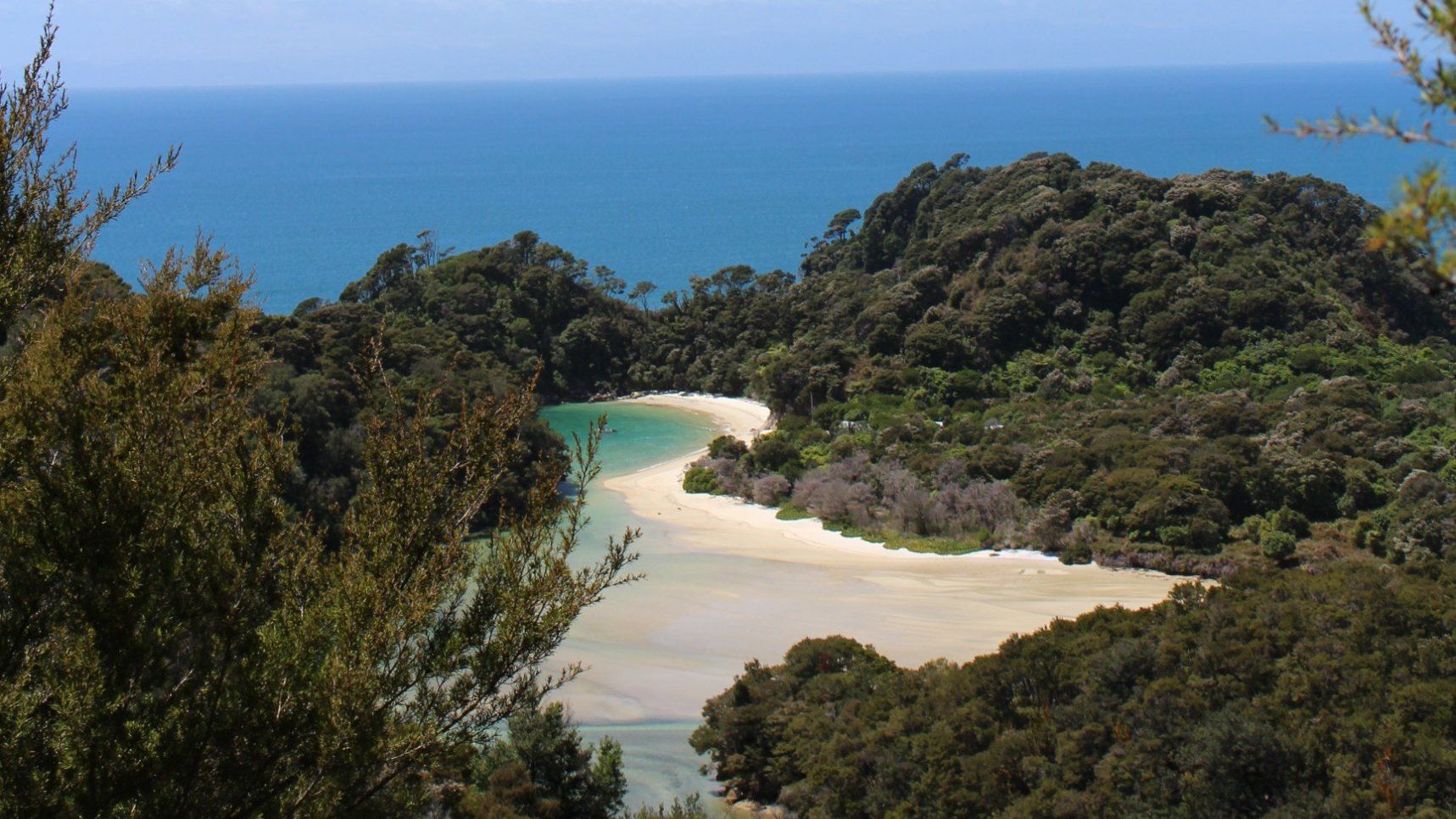
Bringing back the birdsong: The people playing the long game in Abel Tasman
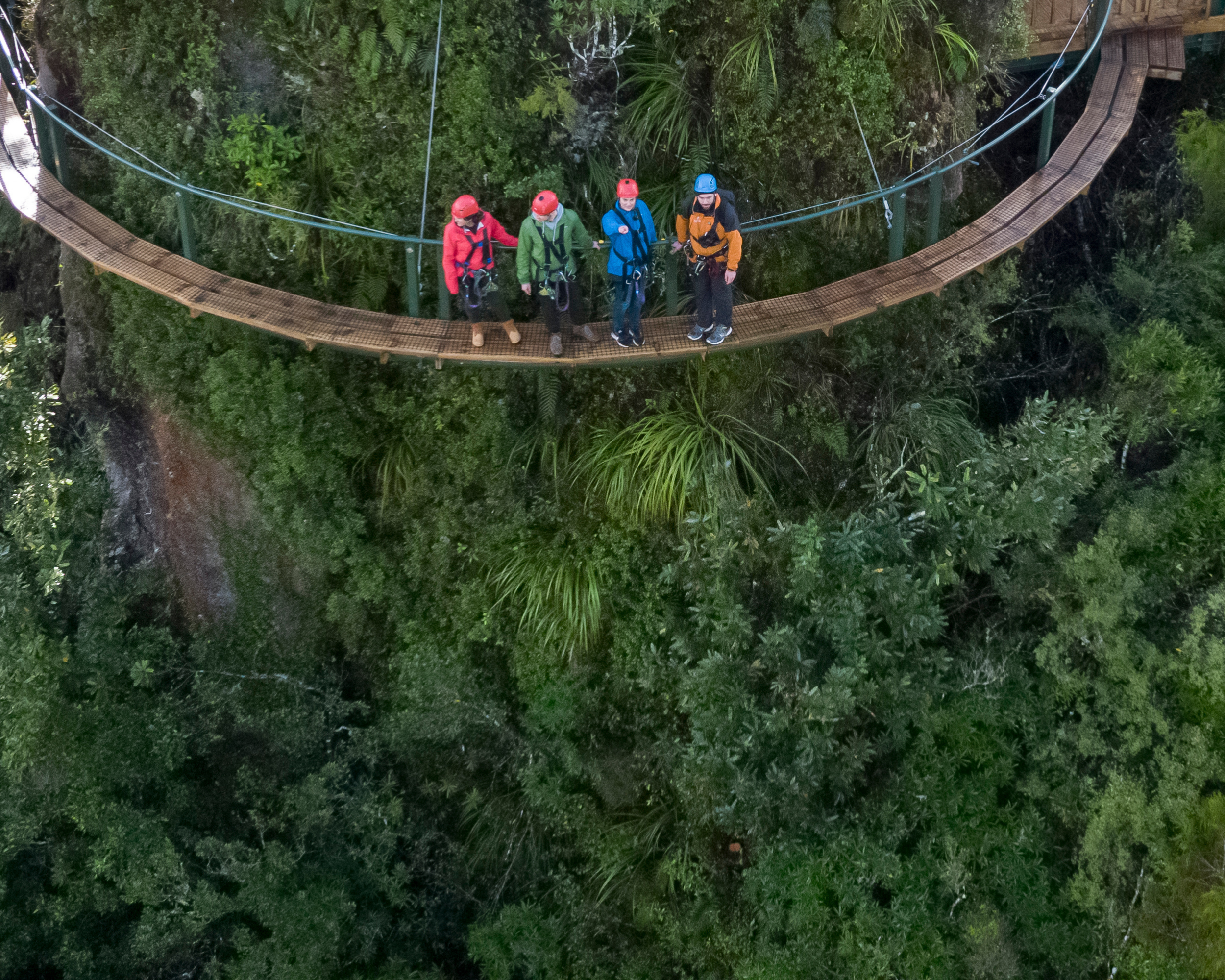
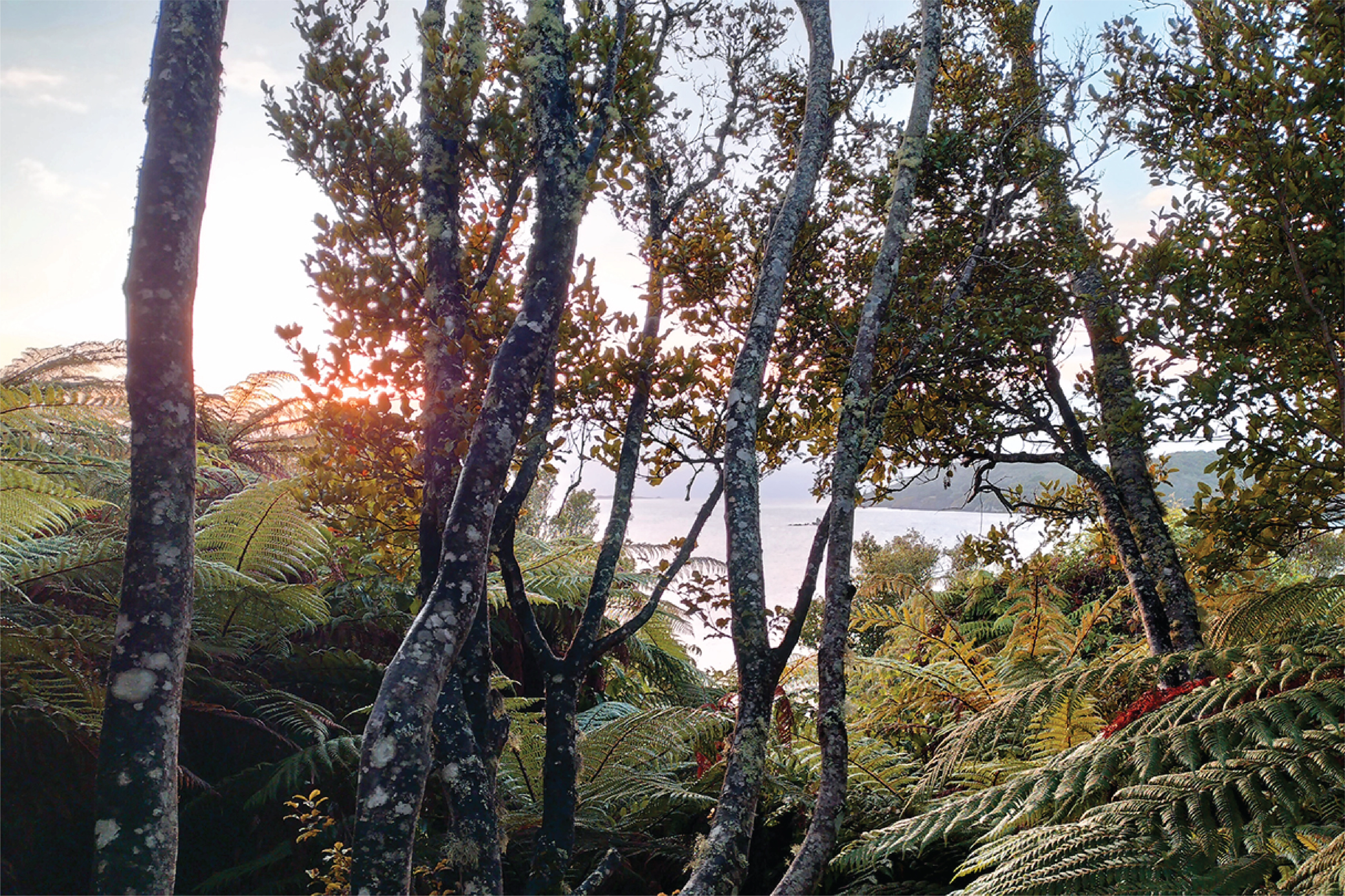
More than 100 volunteers. Over 10,000 hours of conservation work every year. Thousands of predators removed. And one shared ambition: to make the forests of Abel Tasman National Park sing again.
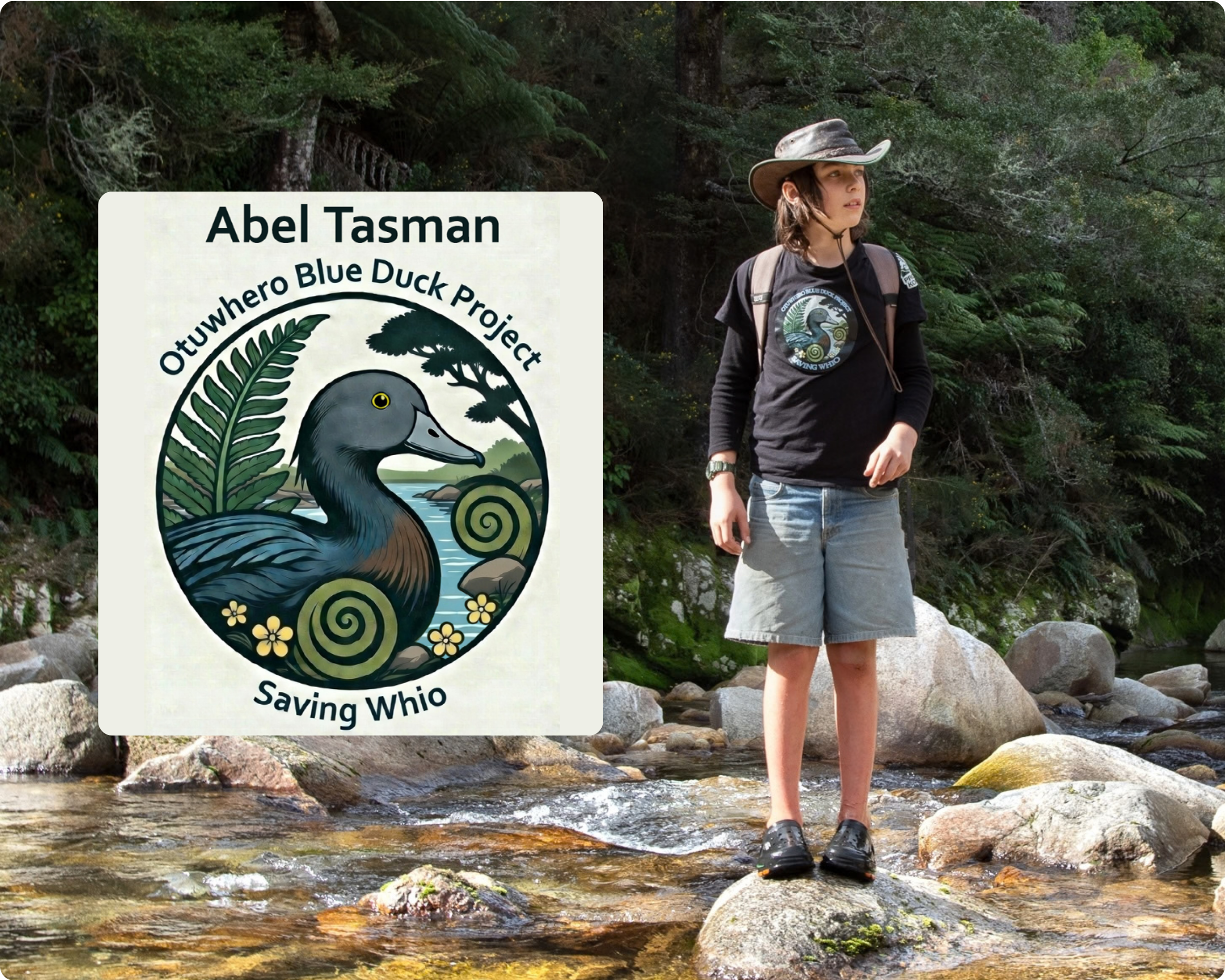
For Taane Mills, trapping is part of growing up. From checking traplines and protecting whio to writing his own book, this 11-year-old is on a mission to get more kids trapping — because every new trapper adds up to something bigger.
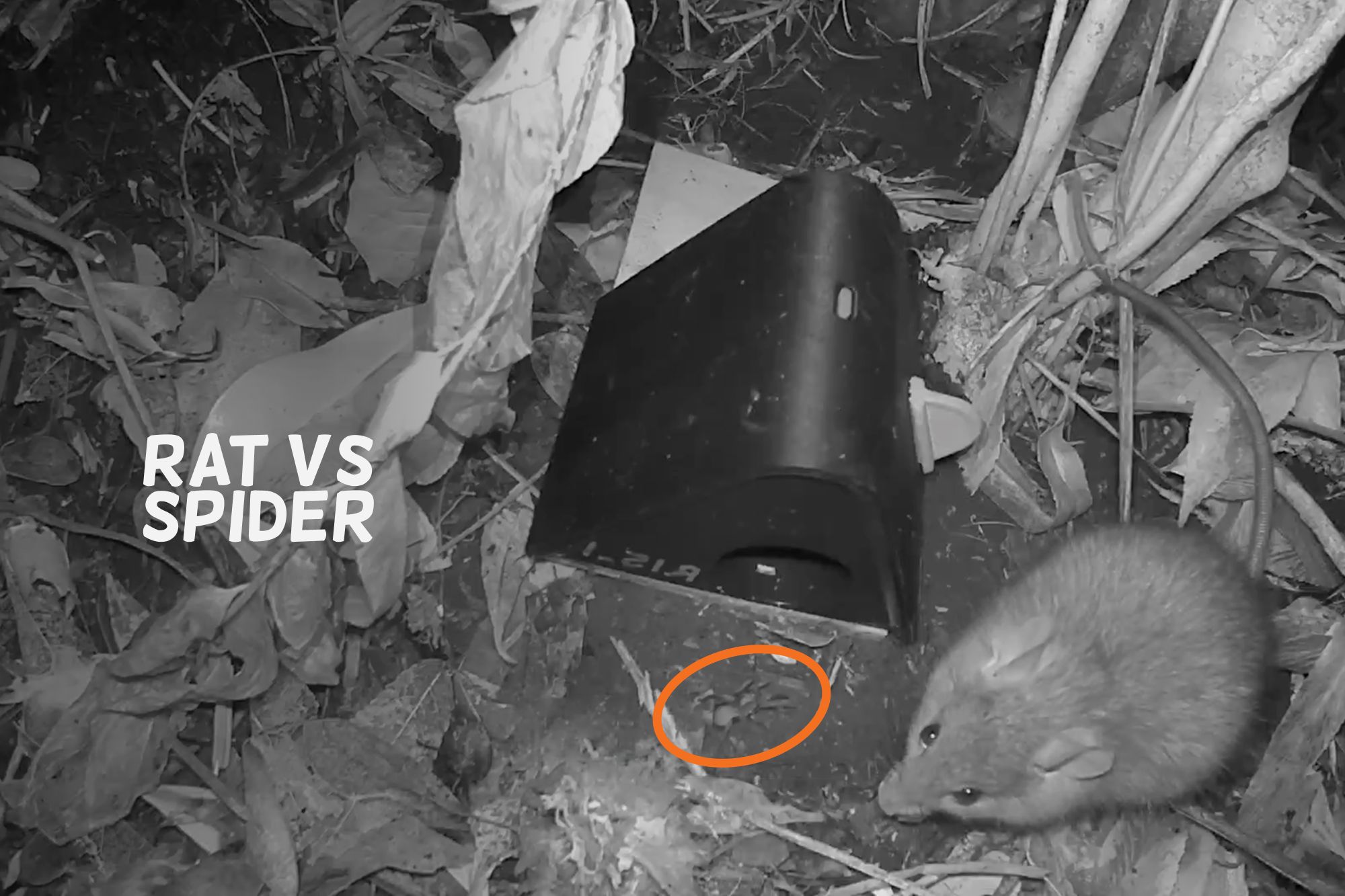
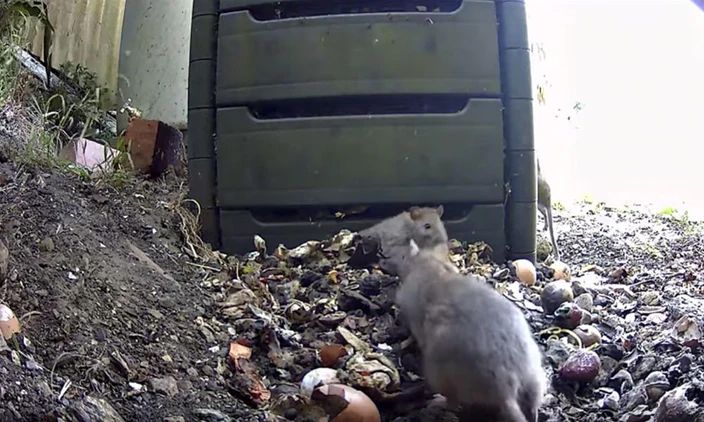
A rat walks through the bush at night. It spots a spider. The spider becomes dinner. It’s a tiny moment, caught on a field camera. But it tells a much bigger story.
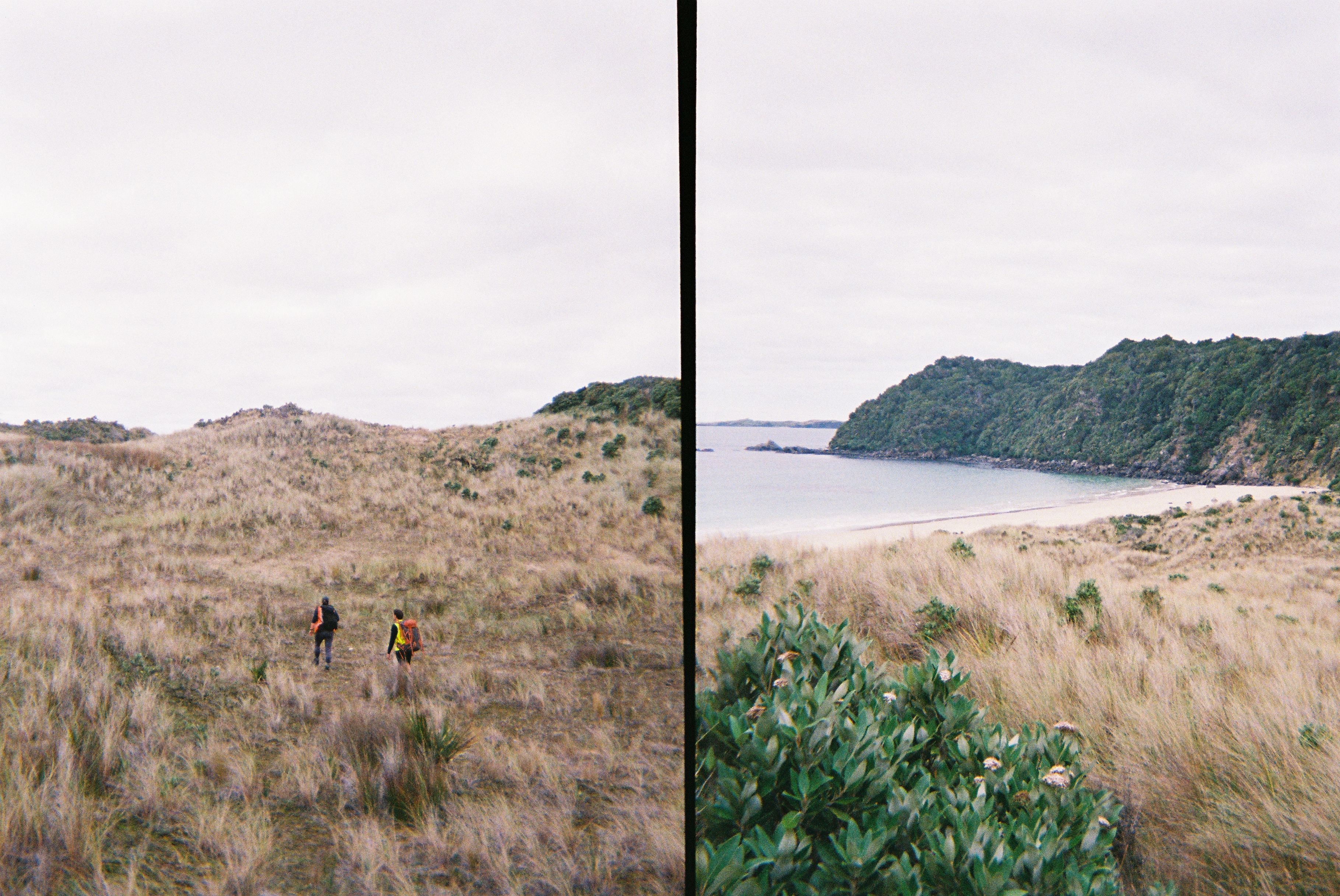
Every six months, a small Goodnature crew heads south to Native Island, a 63-hectare island just off Rakiura, to check in on one of our longest-running conservation projects.
Poo doesn’t lie.
If you’re finding droppings in your shed, ceiling, garden — or worse, your pantry — they’re one of the fastest ways to figure out what you’re dealing with. Here’s how to tell the difference.
Sometimes the culprit leaves bite marks instead of droppings. That’s where nibble patterns come in.
If you’re using Trap Location Cards (or spotting chew marks on packaging, wood or wiring), the shape and style of damage can tell you exactly who’s feeding.
Know your invader so you can outsmart it. Because, if you’ve got a rodent problem, chances are you want them gone. Quick.
But all rodents are not the same and understanding the difference can dramatically improve your trapping success.
Saving monarchs, one trap at a time: How a Waimauku farm is tackling pests to protect butterflies
As part of a growing movement to protect Aotearoa’s butterflies, one West Auckland farm has taken conservation into its own hands, by breeding Monarch butterflies and battling rats at the same time.
A different kind of birdie: how Muriwai Golf Links is going predator-free
At Muriwai Golf Links, predator control is par for the course. What began as a small local effort has grown into one of New Zealand’s largest golf-based conservation projects, with smart traps helping restore birdlife along Auckland’s wild west coast, proving that world-class golf and world-class conservation can go hand in hand.
Stitching the wildlink: Pest Free Coatesville’s big vision
In Auckland’s Coatesville community, neighbours are turning back the clock on biodiversity loss. With 2,200 traps, a dedicated volunteer network, and even a roaming Pest Free caravan, this grassroots project is proving what community-led conservation can achieve — one backyard at a time.
Protecting Mauritius’ rarest species: The power of trapping at Ebony Forest
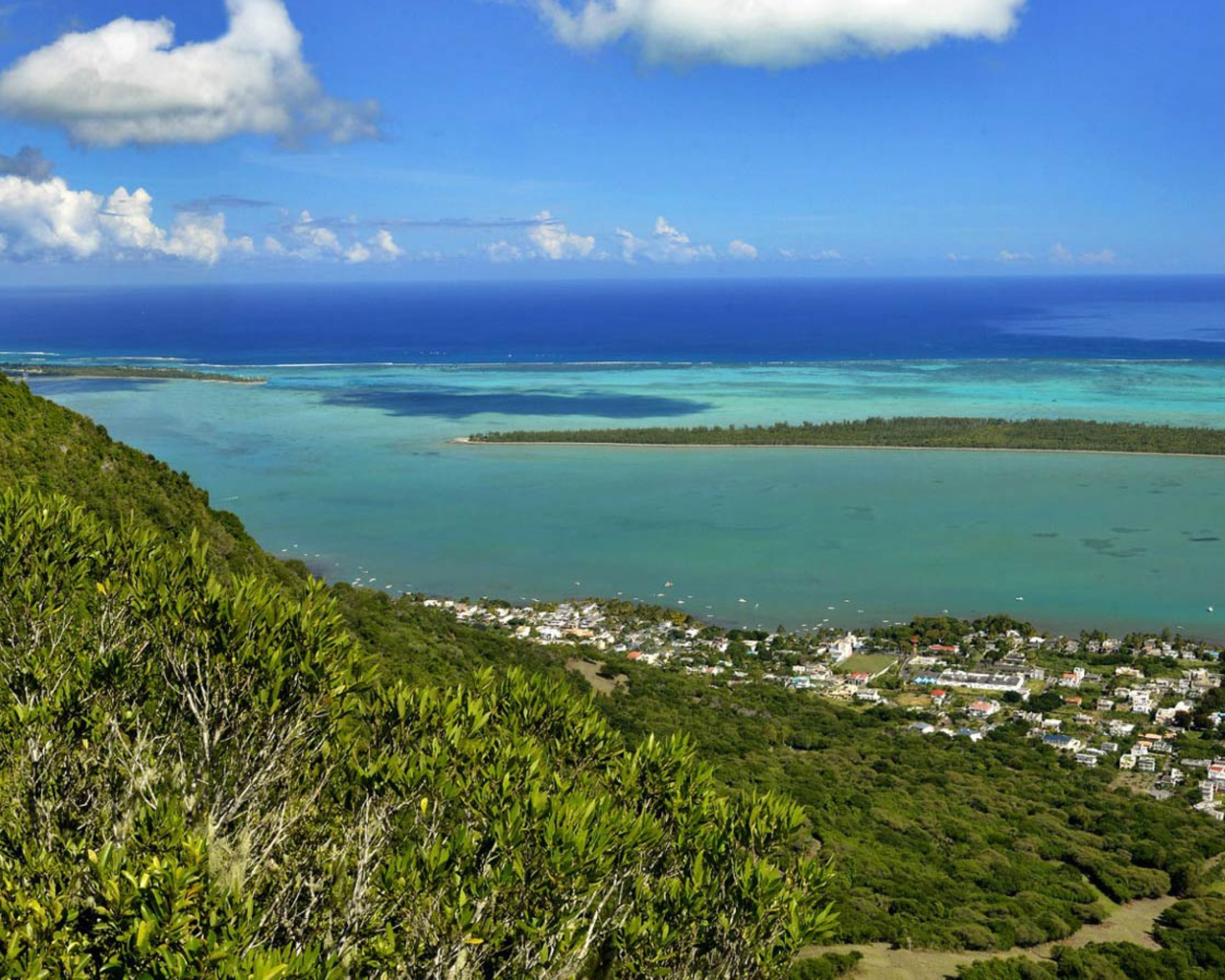
From pink pigeons to echo parakeets, Ebony Forest in Mauritius is fighting back against extinction. With 341 A18 traps and 961 A24s deployed, the team is restoring native forest, controlling mongooses, and proving what smart, humane pest control can achieve for endangered wildlife.
Rewilding Everett Park: Fast gains and big wins in East Taranaki
When the East Taranaki Environment Collective deployed A24 traps at Everett Park, they hoped to make a dent in rat numbers. They didn’t expect a full bird chorus within a year. This is a story of fast impact, big ambition, and a community coming together.
From a Wellington garage to 600,000 traps worldwide, Goodnature has spent two decades redefining humane pest control. Co-founders Craig Bond and Robbie van Dam look back on the scrappy early days, breakthroughs, and the belief that less pests, and less toxins, means more nature.
When Richard from Belgrave, Victoria, set out to protect his backyard poultry, he didn’t expect to become Goodnature’s next supertrapper, or to end up feeding the local kookaburras in the process. But with 430 rats down in just 17 months, thanks to two Goodnature Smart Traps, and one hungry bird of prey, that’s exactly what happened.
Hot cities, more rats: Climate change is fueling a global rodent boom
Planning your next overseas trip? Pack your sunnies, your jandals…and maybe a trap.
Because if the latest science is anything to go by, your next city break might come with a side of sightseeing you didn’t expect: rats. Lots of them.
Goodnature has taken home six major awards for the innovative, humane, and toxin-free Mouse Trap. Recognized by Fast Company, the iF Design Awards, and New Zealand’s Best Awards & Wellington Gold Awards, we’re proving pest control can be smarter, safer, and better for the planet.
Conservation Diaries | Native Island: Ten years on, and still killing it.
Earlier in June, a few of us from the Goodnature team headed back to Native Island, a rugged little 63-hectare patch nestled between Rakiura/Stewart Island and Ulva Island, one of Aotearoa’s few open, pest-free sanctuaries.
Tom & Carly: Success story from Waitakere Foothills
When Tom and Carly moved into their first home just outside Auckland, they weren’t expecting company. But their dog Kaiser quickly spotted a rat sprinting across the driveway, and just like that, their trapping journey began.
Mud, maggots, and mates: The Goodnature team at Blue Duck Station
If you've ever wondered what a few days at the edge of the Northern Whanganui National Park might look like for a Goodnature trapper, here’s your answer: steep bush tracks, shin-deep mud, river gorges, whio sightings, and a whole lot of purpose.
Dogs vs rats in NSW: Iron Dog Rescue found a toxin-free solution that works
For rescues like Iron Dog, where every dollar and every dog matters, rodent control is not just about preventing chewed wires or lost food—it’s about protecting their mission.
From urban plot to rural refuge | The Pomeroys’ journey to country living & abundant gardening
In the North Canterbury country town of Amberley, amid rural landscapes and a close-knit community, reside Keeley and Jen Pomeroy – two garden enthusiasts whose journey into gardening reflects a deep-rooted connection to family, food and community.
A Central Otago garden that seamlessly blends hospitality and rural living
In the quaint settlement of Lauder, Central Otago, Gillian Swinton and her partner Hamish have cultivated a lifestyle that seamlessly blends their love for gardening, hospitality and rural living.
Use this script to explain rewilding to your kids. We've written it in language they'll understand. If it piques their interest, bring them with you to check traps and start them on a rewilding journey.
Since Terry’s vacation cabin was built 85 years ago, mice have been a constant battle for his family, with the mice winning most years. The log cabin was hand-built back in 1938, so there were plenty of gaps for mice to sneak in.
Sam’s trapping philosophy is simple - get the rat before it makes it into his house. While he’d had good success with backyard bait stations, every time the rat population spiked they’d clear out the station in a week, leaving his property unprotected. His search for a trap he could set and forget led him to our Smart Trap Kit. Six kills in, here’s how Sam’s keeping his property protected from rats 24/7.
When rats and mice moved into Deon’s BBQ, wood shed and rabbit hutch in Taupō, New Zealand, he discovered pretty quickly that snap traps weren’t going to cut it. Find out how our Smart Trap Kit is helping Deon deal with his rodent infestation, while keeping Oreo and Ash the rabbits safe.
Anne’s Auckland, New Zealand backyard was bursting with birdlife, fruit trees and flowers - and a steady stream of rats. 52 dead rats later, she’s an expert when it comes to using our Smart Trap Kit...
Squirrels, climate change and goats. Field Notes from the USA.
Bex and Molly have been in the USA telling the stories of our awesome customers there. Here’s four things they learnt about Goodnature trapping, America-styles, from their travels.
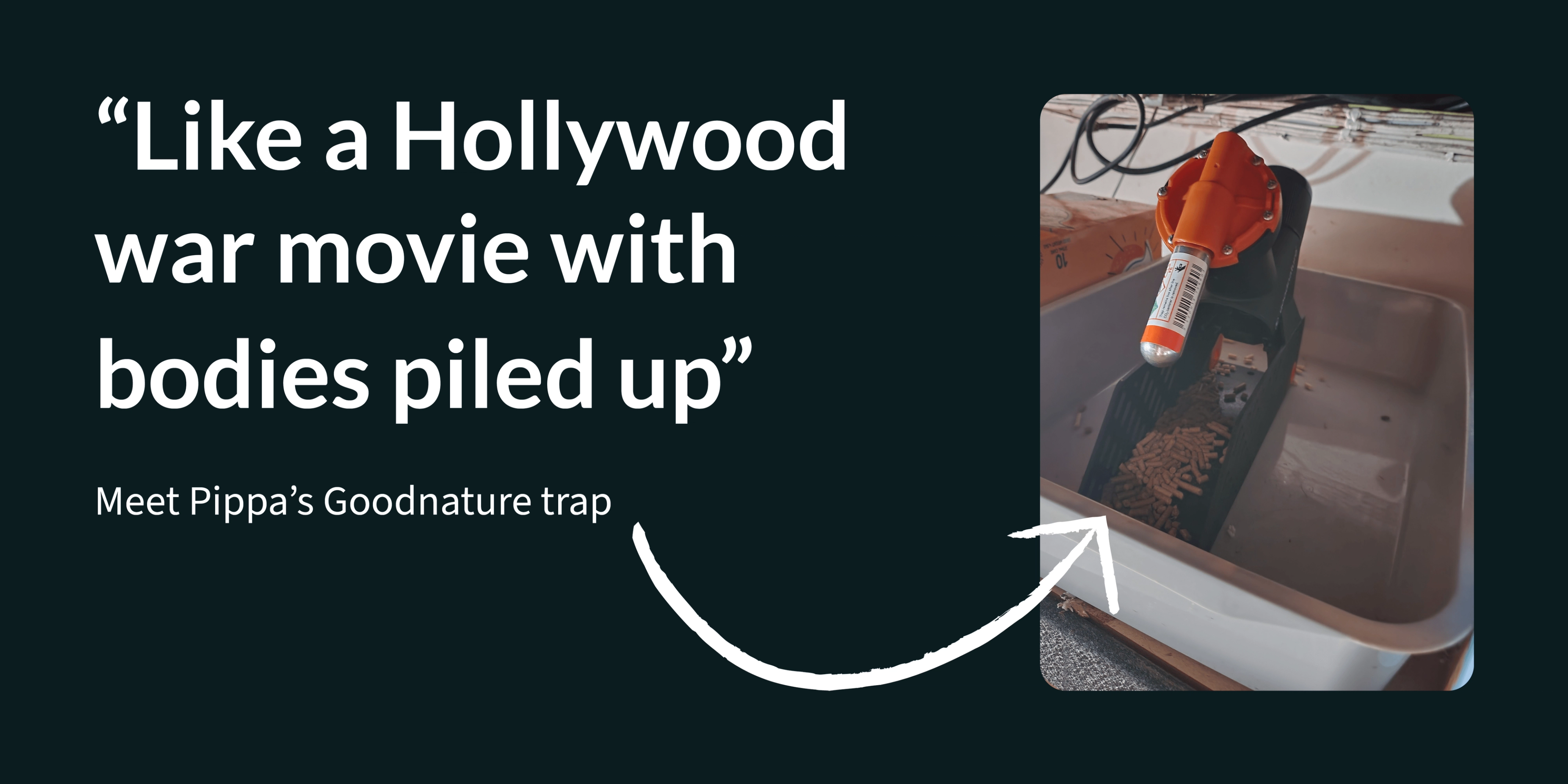
For Brisbane trapper Pippa the magic ingredient was two weeks of patience
“Initially the outlay seemed a bit steep but given the time and effort we wasted on other kinds of traps while we tried alternatives, we kick ourselves for not getting one straight away.”
We are thrilled to announce that Goodnature is now a Certified B Corporation™! This global certification aligns perfectly with our values and our commitment to help biodiversity thrive while making a positive impact on the people and the planet. Joining the ranks of fellow B Corporations™ like Patagonia, Allbirds, Ethique (& many more!) is a true honor. With over 6,900 certified B Corporations™ across 90 countries and 161 industries, the B Corp™ community is fast growing and making a substantial impact worldwide. Today, we celebrate this achievement and look forward to embarking on a journey of continuous improvement and greater positive change.
Directory of Wildlife Agencies - Trapping Grey Squirrels
The Goodnature Grey Squirrel Trap Kit is for controlling non-protected squirrels that are causing damage to your property or crops and should be used as a last resort. To use this trap in your region you may require a permit or license. Find out by exploring your local wildlife agency below.
In Fiordland National Park New Zealand, the sea meets the land in a maze of inlets and islands covered in lush, untouched forest. Remote and hard to access, many of these islands host conservation projects in a bid to save critically endangered endemic species.
In this article, we explore four reasons why rats are hard to trap and offer up a little advice based on research. Hopefully, it’ll help you get on top of those pesky rats!
Getting rid of a mouse in an Australian home is much easier than you might think! We look at the steps to take to remove mice from your place in an easy way and explore the options that might work for you.
People, birds, plants, fish, insects… we’re all interdependent. When the population of one invasive species (such as rats) gets too big, the number of native species (such as tūī or takahē in New Zealand) can very quickly get out of whack. It doesn’t take long for iconic species such as kiwi and kākā to be reduced to dangerously low numbers.
We know that biological diversity is critical for our wellbeing and ultimately our survival, yet the number of species thriving in Aotearoa and around the world is declining.
Private pest control lives on during lockdown - Waiheke Island, Hauraki Gulf
More than 700 islanders give their time to control rats, protecting native birds such as tūī, kereru and kākā. As part of a fortnightly series, Sophie Boladeras meets some of these eco-warriors working to protect our sanctuary in the Gulf.
We’re rapt to have added a Nut Butter flavour to our lure range so we thought we would answer a few questions that you might have, but as always, if you have any other queries get in touch!
Ask Robbie (Goodnature’s co-founder) and he’ll tell you that using the right lure in your trap is as important as the location of the trap or the trap itself. In fact, here at Goodnature, just as much field testing goes into testing our lures as it does the traps. We decided to meet with lure expert Christine, to better understand what rats are looking for when they visit your trap and how you can better lure them in. She’s got an MSc in Molecular Biotechnology and a PhD in Plant Molecular Biology, so she’s the perfect person to help us out.
Zoetis x Goodnature - Trapping rats to reduce Lepto risk
Animal health company Zoetis has teamed up with us here at Goodnature to set up a trapping network across three Wairarapa farms to try to curb rodent numbers.
Imagine a very small rat trap - about the size of a shuttlecock - that can be thrown from a helicopter or drone, that will then biodegrade once it's done its job. At Goodnature, we’re about to turn this into a reality.
In a very old podocarp forest behind Dannevirke, North of Wellington, are a group of keen trappers ready to learn everything they can about trapping to protect their local ngahere (bush).
Smart trapping a new story for tour operators in rural Waitomo
In the Mangaotaki Valley, Suzie and Warrick Denize raise livestock and operate tours in a landscape dominated by massive limestone cliffs made famous by the Hobbit trilogy. Spanning 1.5km long and 90m high, the rock formations overlook the native bush below where, thanks to the couple’s trapping effort, native species are making a comeback while their 30 traps have recorded over 200 kills to date.
We chat with the busy couple to learn more about the impact of pest control on their business and how our A24 Trap kit with Chirp has helped their trapping.
We get a huge range of questions about our A24 Rat & Stoat Traps, and some more often than others. We decided to sit down with one of our customer care experts, Thomas to share the things he hears most and some tips for how you can get your trap up and running.
Smart Cap design insights with Goodnature's product designer, Chris
Last week, we launched Chirp in Australia. Chirp is the brain of your A24: it keeps track of your trap activity and sends it to your phone from where you can visualise your trapping efforts and those of the trapping community. We chat with Chris, the product designer behind the Chirp cap, and share his design process and the challenges he faced while creating Chirp.
Decades of volunteer effort restores native lizard population
High on the rugged hillsides of the Paekākāriki Escarpment track on the Kāpiti Coast, Paul Callister and his team of committed volunteers from Ngā Uruora community conservation group, have been spraying weeds, trapping pests and planting native plants for nearly 20 years. It’s not easy or paid work so we were lucky that Paul had time to tell us his story - about what keeps him going and what attracted him to the project in the first place.
Why a predator-free NZ is possible when we’re united.
In the naughts of last century, Wellingtonians woke to the sound of whales scraping the barnacles off their backs and thrashing in the shallow waters of Oriental Bay.
In the naughts of this century, it was a different story - mostly without whales and with only a few native birds creating a ruckus. Almost every part of New Zealand has seen plummeting populations of native birds and Wellington was no exception.
Hunters helping endangered Bittern : Paddy Stewart, Guest blog
Duck hunters pioneered wetland restoration long before conservation became fashionable. Recent ecological surveys indicate that the habitat they created is helping threatened native water birds.
Throughout the year, we at Goodnature do our bit to monitor the success of our traps in a bunch of places around New Zealand. One of those places is Great Island, part of Fiordland National Park in the southwest corner of the South Island.
Collective break times: Why we think everyone should drop tools together.
If you’ve ever visited Goodnature HQ, it’s likely you’ve seen a group of competitive ‘athletes’ on the ankle breaker court, a group soaking up the sun and maybe one of our resident canine friends getting plenty of attention.
Project Tamatea - An update from the team at Pure Salt
It was awesome to see this great video from the team at Pure Salt on their latest trip to Indian Island, in Dusky Sound. Along with a team of hardworking volunteers, Pure Salt are building a substantial trapping network in the sounds, and it's having some amazing results.
Rat infestations: We’ve had a rough year, New Zealand.
“A record-breaking long, hot summer has led to a tenfold explosion in New Zealand’s rodent population, with the country’s urban areas worst hit.” - The Guardian. We explore what's causing the rat infestations we're seeing, and how you can help to stop them.
Self-set rat traps vs automatic rat traps - what’s the difference?
In this article we explore what a self-set rat trap actually is, how it differs from an automatic trap and the benefits of going either way. This should give you an understanding of what might work best for you, and your pest problems.
We get asked a lot, “what’s the best rat bait?” so today we’ll be exploring what food rats look for and why our rat traps are designed to be used with the Goodnature chocolate based rat paste. We decided to meet with paste expert Christine, to better understand what rats are looking for when they visit your trap and how you can better attract them in. She’s got an MSc in Molecular Biotechnology and a PhD in Plant Molecular Biology, so she’s the perfect person to help us out.
If you’re thinking of trapping a rat, the first question is often, “what do rats eat?”. Knowing what the best paste to attract them in with is critical, so it’s really important we get this right when trapping. We discuss what rats are looking for, and how you can best attract them.
Want to know how to get rid of rats? Here’s some really simple steps you can take to ensure your New Zealand home and garden is a pest free one. In this article, we step through how to get rid of rats in your backyard, and talk to someone who’s actually done it, Tom.
Laura works in the conservation world, so understands the importance of science combined with action. She shows us around her Aro Valley garden while we discuss what she's doing to contribute to a better world for our native species.
Anna and her family live in a stunning pocket of Aro Valley, Wellington. We chatted about why she's getting her family trapping, and why it's so important to be engaged in pest trapping, even in the city.
Did you know that, aside from Antarctica, rats are literally everywhere in the world?
And that a pair of brown rats, if left unchecked, can produce up to 2,000 young per year?!
Managing rat populations has been an essential activity for centuries. Let’s take a look at what’s changed… and what hasn’t.
In part one of our ‘how to catch a rat’ series we outlined ways to identify your rat (an important first step) and then explored the pros and cons of a few rat trapping solutions.
In part two we outline a few tried and true tactics that will hopefully increase your chances of catching that pesky rat.
Hear about the work Aj and his team from Wild Aro are doing in the Wellington area. We learn why they think it's so important trapping stoats, rats and possums on the town belt, and what their dreams are for the valley.
Mayoral mission: Bringing back the birds to Aro Valley
Norbert is a man on a mission. Taking a moment from his mayoral race duties, he shows us around his steep, central Wellington property as we discuss everything from his love for nature to the giant blue letters in his garden.
Controlling rats and stoats bring birds back to the mainland
Helen Bowden, her five siblings and 90-year old mother are a family on a mission: to attract the once-abundant native birdlife back to their farm Tawapou, at Matapouri on Northland’s east coast.
Keeping pests under control long term supports New Zealand’s biodiversity.
DOC's Biodiversity report is currently open for submission. Goodnature Co-founder, Robbie weighs in on the discussion and shares what he thinks we need to secure a pest-free New Zealand.
Melissa’s compost was infested with rats. Every time she lifted the lid, the rats scurried away. By taking a few easy steps and setting up a Goodnature trap for rats, she got her rat problem under control. Watch how she did it.
We often refer to the home as a 'complex trapping site.' It can be incredibly hard to trap rats here because there's always an abundance of food and plenty of cover for them to travel by. As a first-time trapper, where do you start?
Dairy Farmer saves money after ridding his property of rats
Laurence Giles’ farm sits in the hills west of the Hauraki Plains and backs on to bush near Morrinsville in the Waikato, New Zealand. Most Kiwis will know this region as dairy country but Laurence’s rat problem made him feel like he was living in rat country.
Waikato farmer saves money after ridding his property of rats
“The rats were thick on the ground!” he says. “Even down in the cowshed. I’d see them on the rafters and all around.” Like many farmers, Laurence tried a few methods to get the rats under control but didn’t get the results he was looking for. “I used poison for a while but with limited success.”
We've been battling against introduced rats and mice since their introduction to Australia between the 1600-1700s, so you'd think we'd know how to solve a rodent problem, right?
John lives on a 516 square metre property across the road from a neglected bush reserve in Karori, Wellington. Initially, he thought possums were responsible for the destruction of his puka tree but the damage was typical of rats. To get them under control, John started by setting one Goodnature Rodent trap on his property.
You might be surprised to learn that there are actually three species of rat here in New Zealand, each unique in their own way. Understanding their differences can go a long way toward ridding your home of them for good.
Automatic traps protect Native Island from rats and possums
Native Island is a small inshore island - only 80 metres off Stewart Island. Covered in beautiful native bush, not long ago it was home to possums and rats in numbers that were out of control. After 8 weeks using Goodnature automatic traps, the number of rats almost halved. After 12 months, it was zero.
Toxin-free A12 and A24 traps save orchardists’ crops
When organic-certified orchardists Geoff and Leny Leong in Paengaroa, Bay of Plenty, noticed rats and possums raiding their avocados, macadamia nuts and walnuts, they knew they had a serious problem.
For their serious problem they needed a serious solution. Humane and toxin-free pest control aligned with their ethics and organic values.
Protected mainland tītī thriving following installation of the Goodnature trap network in Bluff
A common seagull the tītī is not! These small black sea birds are a cultural treasure in the south of Aotearoa and our mainland tītī colonies are seriously at risk as a result of rat and stoat predation. Fortunately for the Bluff Hill tītī colony, the Bluff Hill Motupōhue Environment Trust (BHMET), a group of dedicated volunteers, had the tītī’s best interests at heart.
Minimising risk of spreading kauri dieback while protecting native lizards in Greenhithe
Trapping projects can require a lot of feet on the ground trekking through our native forests – which in some areas with kauri trees can increase the risk of spreading the kauri diebackpathogen. Read on to find out how theGreenhithe Community Trust, in Auckland, approached this challenge.
Goodnature automatic resetting traps keep rats down for endangered frog to flourish
Archey's frog has been found in only three New Zealand locations and holds the dubious honour of being the world’s most evolutionarily distinct and globally endangered amphibian. Check out how our Goodnature rodent traps are helping protect them.
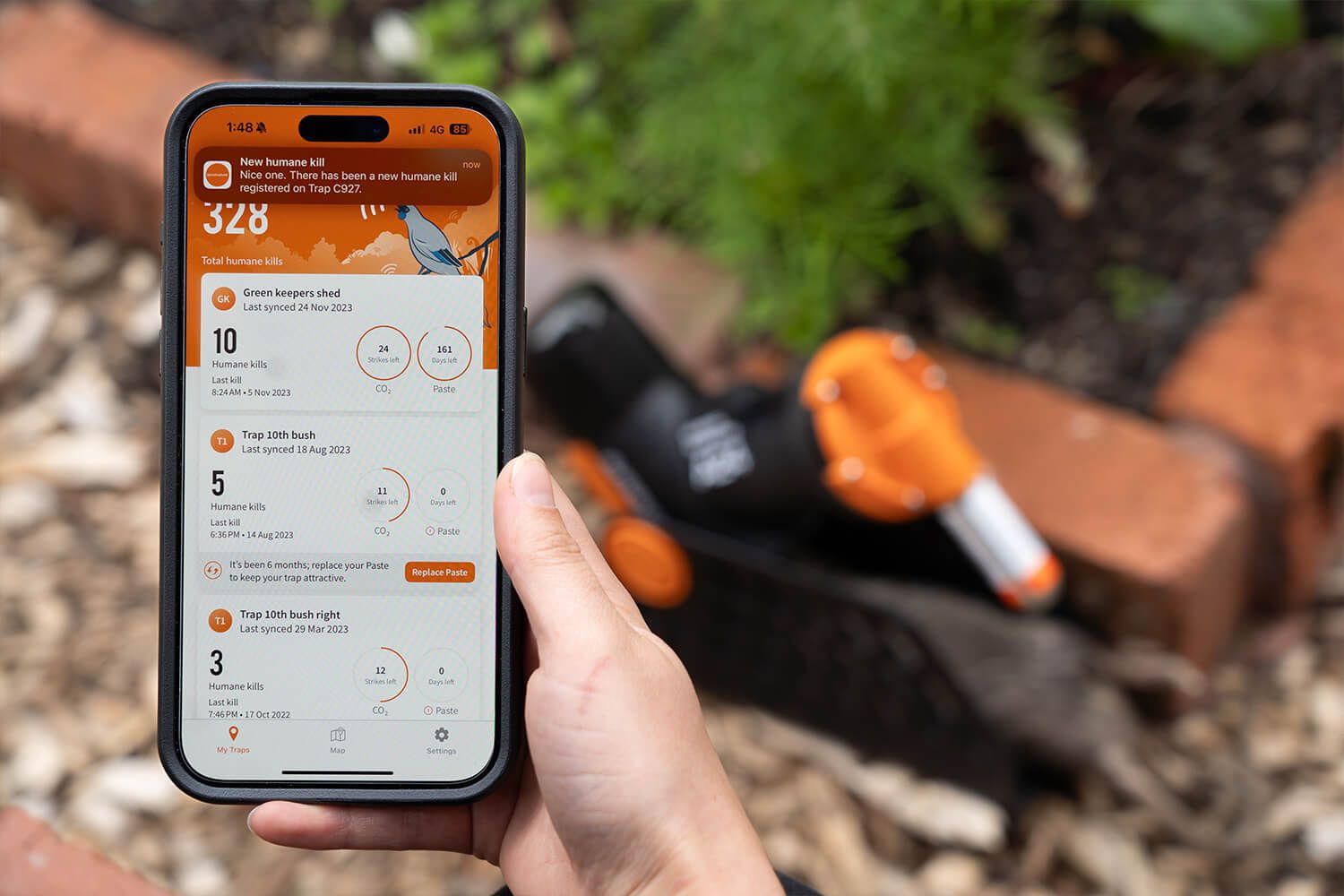
The Government's plan to achieve a predator-free New Zealand by 2050 is gaining momentum. New Smart trap technology allows real-time information to be accessed from a cellphone when a pest is caught. Goodnature co-founder Robbie van Dam says it'll encourage everybody to protect the environment.
Capital Kiwi has 850 traps live with hopes for big kill before Christmas
It's the first step of a five-year target to have kiwi roaming freely in Wellington, even in city suburbs, 20,000 ha in total and 4400 traps. "Most of the people out there [trapping] are Wellingtonians, and I think there's a real appreciation for how special this landscape is," Ward said.
Jonathan had a rat problem. Right outside his window he watched four rats climbing in and out of his rubbish bag... His solution? A Goodnature self-resetting rat trap.
How 4400 traps will bring kiwi back to suburban Wellington
Capital Kiwi's trapping plan will see 4400 traps set across 23,000 hectares of Wellington during the next three years. People will be able to see the kill data from Goodnatures website or a smartphone app as the slow steps towards making the land safe for kiwi again are taken.
Goodnature Trap Tackles Most Voracious Invasive Species
New Goodnature trap tackles most voracious global invasive species A18 self-resetting trap targets small Indian mongoose in Hawaii, American mink in Scandinavia and eastern grey squirrel in the United Kingdom – early projects...
In November 2014 a total of 467 Goodnature rat traps were installed over 200 hectares of beech forest by DOC staff and volunteers including Kids Restore The Kepler in Fiordland National Park.
Rats and other invasive mammals are destroying New Zealand’s native fauna. A quarter of native birds are extinct. The kiwi is threatened. What can be done? “Conservation is all about killing things,” a volunteer coördinator said...