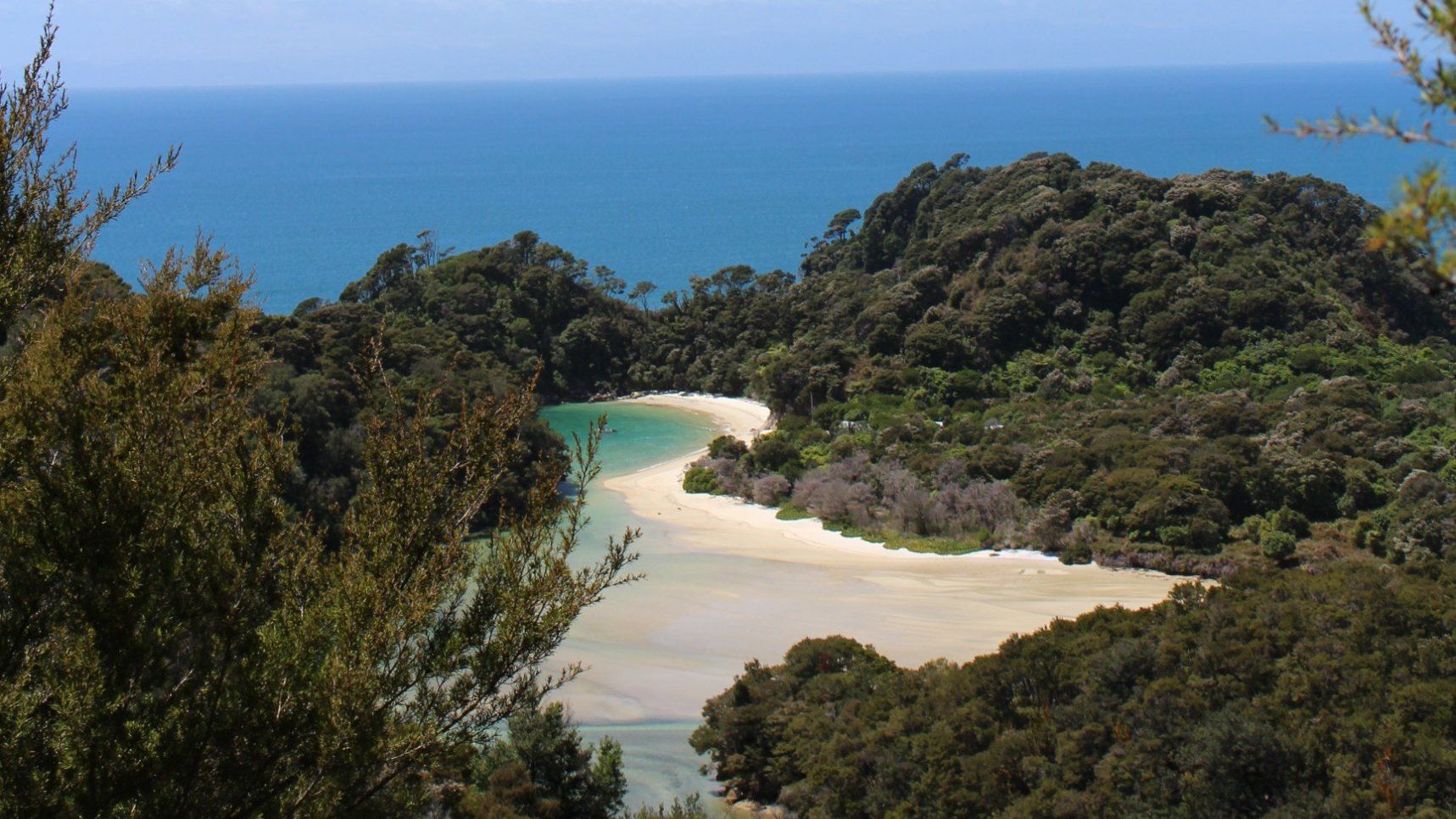
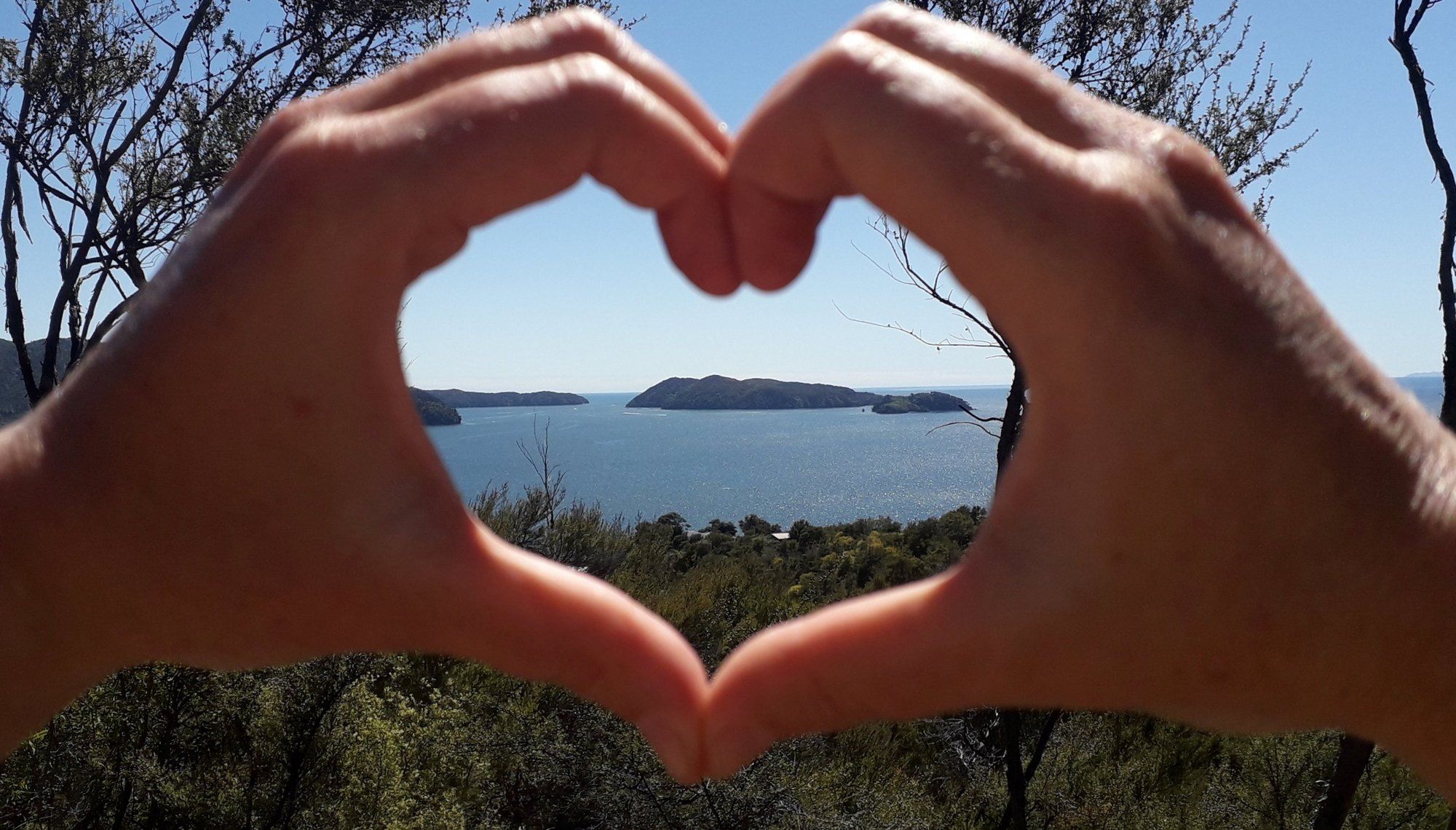
Golden beaches, turquoise water and lush native bush. Abel Tasman National Park is one of Aotearoa New Zealand's most treasured landscapes. But behind the postcard scenery, there's another story unfolding. One that involves hundreds of traps, muddy boots, thousands of volunteer hours and a community determined to give nature a fighting chance.
Since 2007, the Abel Tasman Birdsong Trust has been working to restore and protect the park's native biodiversity. Because bringing back the birdsong isn't a quick win. It's a numbers game. And the Trust is playing the long game.
A beautiful place worth fighting for
For all its natural beauty, Abel Tasman faces a challenge familiar to conservation groups across New Zealand: introduced predators. Rats and stoats prey on native birds, their eggs and chicks, making it difficult for vulnerable species to thrive.
The Trust brings together volunteers, local communities and conservation partners to tackle the problem. Predator control is a major part of its work, but so is restoring native habitat, planting food sources for birds and reducing fire risk along the coastline. Its volunteers have also helped achieve the near-total removal of invasive pines from the areas targeted by its restoration work.
At Tinline, planting and weeding collectives have helped create a beautiful destination for visitors and a regular habitat for toutouwai (South Island robins) and other native birds.
It's a joined-up approach: removing predators helps wildlife survive, restoring habitat gives it somewhere to flourish, and bringing people together helps ensure the work continues.
The numbers behind the birdsong
The Trust has some impressive numbers to show for its efforts.
As of July 2026, its wooden box-trap network had recorded 15,472 rats and 621 mustelids caught since October 2010. That's more than 16,000 introduced predators removed, before counting catches from its Goodnature A24 traps.
Alongside its traditional trapping network, the Trust has deployed 819 Goodnature A24 self-resetting traps across its wider Heart of the Park network. Of those, 551 are fitted with Smart Caps, helping volunteers monitor trapping activity. Across the Trust's groups, the connected devices have recorded 1,773 strikes to date.
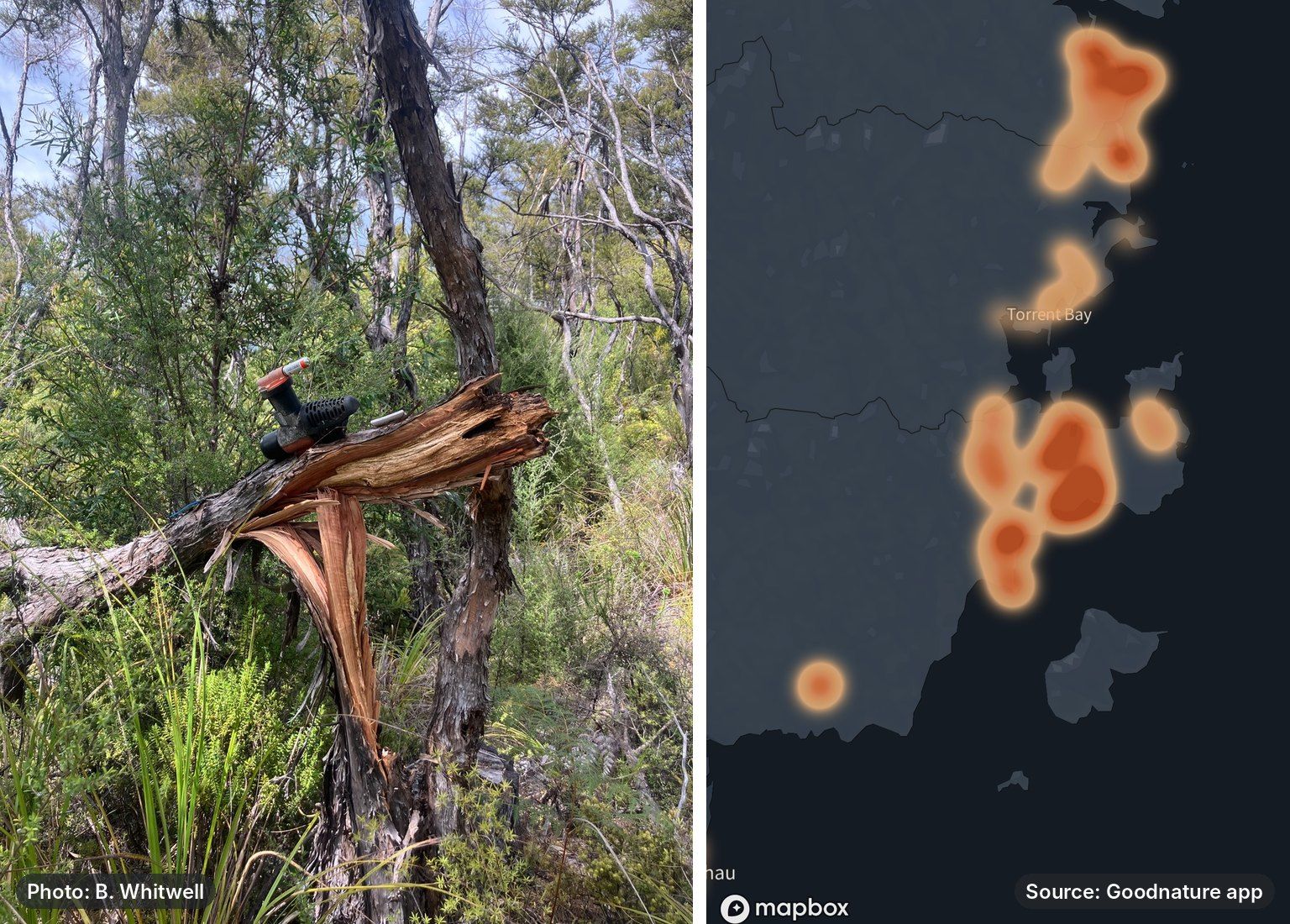
The ‘Heart of the Park’ network covers coastal bush and popular visitor areas around Akersten Bay, Cyathea Cove and Observation Beach, including five campsites along the southern coast. Its goal is to keep rat and stoat populations close to zero, protecting vulnerable birds such as toutouwai and ngirungiru (tomtits).
The area also neighbours predator-free Adele Island, making predator control on the mainland particularly important for protecting wider conservation gains.
Managing hundreds of traps across this landscape is no small undertaking. Goodnature A24s automatically reset after a strike, while Smart Caps provide information that helps volunteers understand where predators are active.
“We are still learning about the efficacy of our network,” says Abby McCall, Operations Manager.
As more data comes in, the team hopes to refine trap placement and identify areas of higher activity. Volunteers appreciate seeing their traps' performance over time, while monitoring gas usage could help make servicing more economical.
It's an evolving approach, with technology supporting the people doing the work on the ground.
A hundred people, thousands of hours, one shared purpose
Behind those trapping numbers are the people who make it all happen.
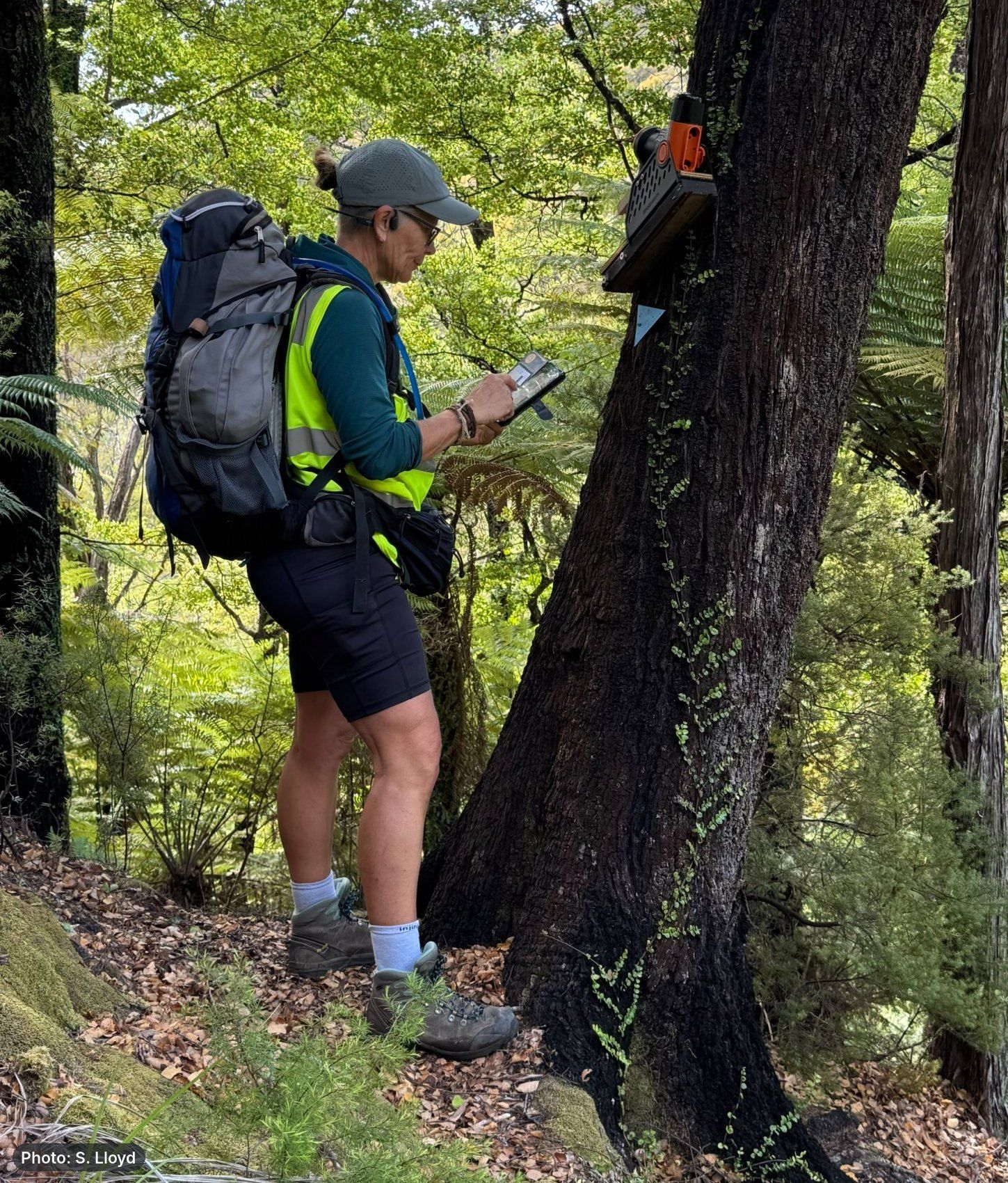
The Trust has more than 100 volunteers, many involved for years, contributing over 10,000 hours annually. That's an extraordinary commitment when you consider the terrain: coastal bush, steep hillsides and traplines that need checking and maintaining in all conditions.
Trustee Jenny Dicks first became involved when the Trust was recruiting volunteers to check traps in the national park.
“This really appealed to me as I enjoy the outdoors. Conservation can only be a good thing to be involved with, no matter how you try to engage.”
Her connection to Abel Tasman runs deeper than volunteering. Years of family holidays exploring its beaches, followed by building a bach at Awaroa, gave her a personal reason to care for the landscape.
It's a sentiment shared by many supporters. Some want to protect a place they've known all their lives. Others enjoy spending time outdoors, contributing to conservation or meeting like-minded people.
The Trust has become a community in its own right, bringing together people from all walks of life.
And while the hours they contribute can be counted, the value of their commitment is immeasurable.
When the forest starts answering back
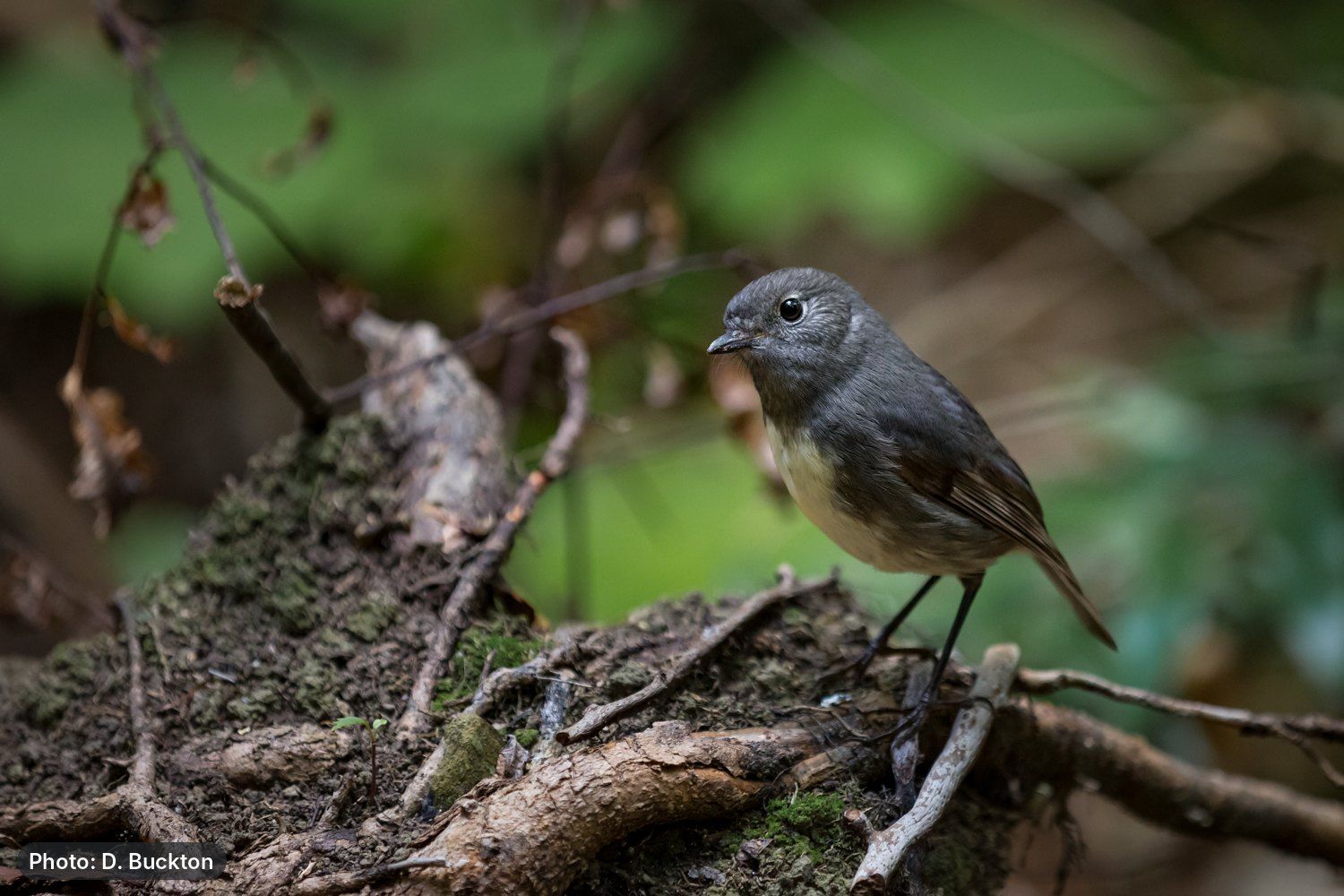
Of course, trapping numbers only tell part of the story. The real reward is what happens in the forest.
The Trust reports more native birds being seen and heard along the coastline, including regular sightings of toutouwai. These curious little birds are particularly important because their presence and distribution can help indicate forest health.
For someone who has spent years checking traps and restoring habitat, spotting a robin along a trapline is a meaningful reminder of what the work is all about.
And these gains depend on more than trapping alone.
The Trust works alongside the Department of Conservation, tourism operators and landowners, recognising that consistent predator control and collaboration are essential. It also wants to strengthen connections with surrounding halo conservation groups, helping protect the park's boundaries and maximise the gains made across the wider landscape.
Predators don't recognise park boundaries. Conservation efforts can't afford to stop there either.
The next generation of guardians
After nearly two decades of conservation work, the Trust is thinking well beyond the next trapping season.
“Our goal is to be an intergenerational Trust, here well into the future,” says Darryl Wilson.
That means raising awareness of its work, attracting new supporters, developing future trapline leaders and passing on the knowledge built up over years of hands-on experience.
The people who established these projects won't always be the ones maintaining them. For the Trust, ensuring the next generation is ready to take over is as important as the work happening today.
Looking ahead 10 or 20 years, its vision is both wonderfully simple and extraordinarily ambitious:
“Wouldn't it be great to have eradicated all pests [...] and to see a Park where the Trust is not needed, or minimally, where the birds are deafening, and the bush is thriving!” says the Trust.
The Trust recognises that complete eradication may only be achievable within bio-fenced areas. Across the wider park, maintaining low predator populations will continue to demand sustained effort.
But thousands of predators removed, hundreds of traps in the field and more than 100 people giving their time, year after year, have already shown what a committed community can achieve.
One trapline won't restore an entire forest. But hundreds of traps, thousands of volunteer hours and a community committed to showing up, year after year?
That's how you change the numbers.
And if the Abel Tasman Birdsong Trust gets its wish, one day the birdsong will be deafening.
Be part of the birdsong
The Abel Tasman Birdsong Trust relies on volunteers, supporters and conservation partners to continue its work. Whether you're a local keen to lend a hand or a visitor who loves the park, there are ways to get involved.
Learn more about the Abel Tasman Birdsong Trust and how you can support its work.
And remember, conservation doesn't stop at the park boundary. Tackling introduced predators in your own backyard is another way to give native wildlife a fighting chance.
Not yet a trapper? Start today.
More trappers. Less pests.