From local lemons to long-tailed bats, this is how a community north of Auckland is transforming their backyards into a connected sanctuary.
It started, as these things often do, with a single frustrated gardener.
In 2018, Coatesville local Gary Langridge watched his thriving lemon tree get stripped two years in a row by unwanted visitors. So he set his first trap. One trap became a few, then a few more. Then a community meeting brought 48 volunteers through the door. From there, Pest Free Coatesville (PFC) took off.
Today, this grassroots effort has become one of Aotearoa’s most exciting community-led conservation projects. And it’s doing more than knocking back rats. It’s restoring forest, reviving birdlife, reconnecting neighbours, and laying the groundwork for something much bigger.
Connecting Coatesville for kiwi, and beyond
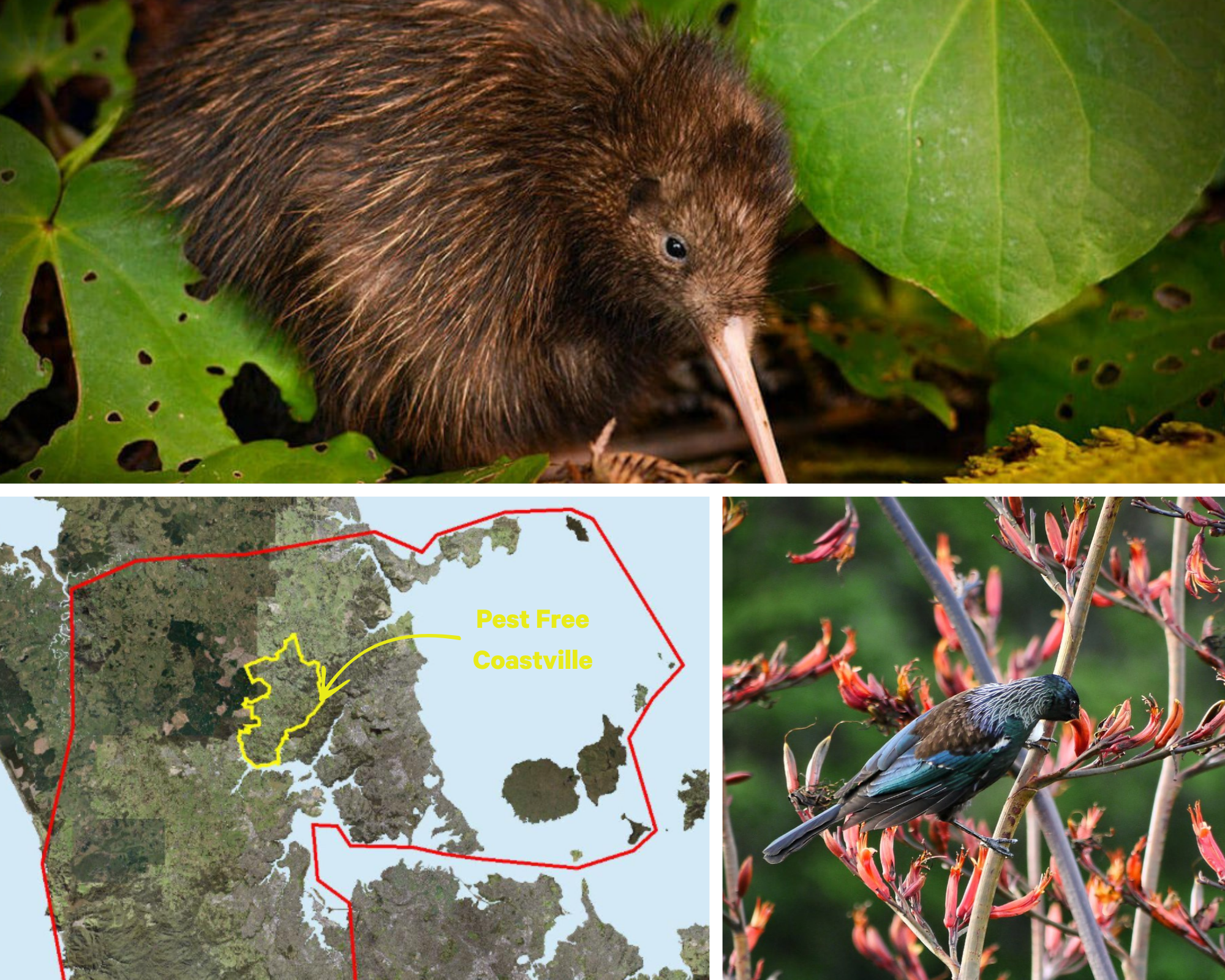
Coatesville sits just 30 minutes north of Auckland’s CBD. But ecologically, it’s a world apart. With bush fragments, wetlands, and stream margins, it’s a critical stepping stone in the North-West Wildlink, a habitat corridor that stretches from the Waitākere Ranges to the Hauraki Gulf.
Pest Free Coatesville’s goal? Protect, restore, and connect the local landscape so native species, including long-tailed bats, kōkako, and even kiwi, can one day return and thrive.
Back in 2020, the team formalised their first strategic plan: clear species goals, a step-by-step action plan, and a shared vision. Today, their trap network covers more than 30,000 hectares, with the neighbour groups joining forces. From Riverhead Forest to Green Park to Coatesville Scenic Reserve, the network keeps growing.
With support from organisations like Save the Kiwi, the group is now rolling out responsible dog ownership education and even gearing up for a future kiwi translocation.
How they’re doing it
Pest Free Coatesville is made up of neighbourhood hubs, each run by a local coordinator. This model means trapping efforts can scale fast, without losing that community feel.
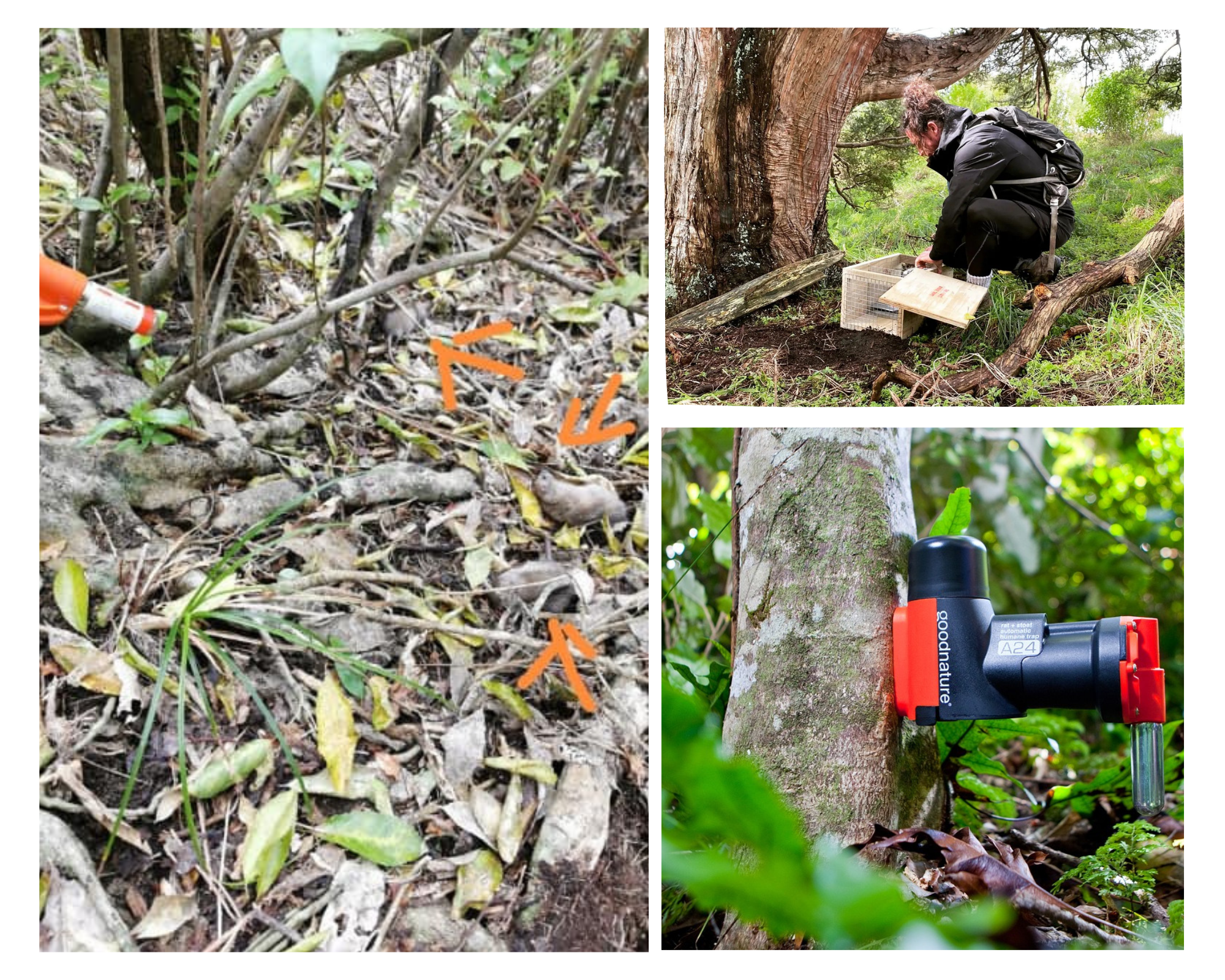
They’ve now deployed over 2,200 traps and bait stations across the region, including 1,100 A24s through our Cahoot program, DOC200s, AT220s, trapinators, and cage traps. A new generation of AT520 AI-connected traps is next on the list, bringing real-time monitoring and even more efficiency, due to be deployed late November 2025.
They’re also hands-on in the bush, clearing weeds, planting natives, and running education days for local kura and Scouts.
And then there’s the PFC caravan, a mobile classroom and outreach tool kitted out to run workshops, attend events, and spread the word about responsible pet ownership and habitat restoration. It’s been a hit.
What they’re seeing
Since 2019, Trap.NZ data shows over 24,000 pests removed, including rats, possums, hedgehogs, mustelids, and more.
But the bigger story is what’s returned:
- Kākā, tomtits, tūī, and kererū are now common
- Seedlings are regenerating
- Birdsong is up
- There’s even been a fleeting kiwi call recorded in northern Coatesville
And that’s just the beginning.
What’s next
In the next two years, Pest Free Coatesville plans to:
- Complete trap coverage in key linkage areas,
- Roll out the AT520-AI trap network in November 2025,
- Double the number of Goodnature A24 traps deployed across the region,
- Increase monitoring with chew cards and bird counts,
- Continue responsible dog ownership education and kiwi avoidance training,
- Open a 62ha Wildlife Restoration Reserve in Green Park, open to the public and designed to bring all sentinel species together in one place.
Why it matters
Pest Free Coatesville is a reminder that conservation isn’t just for scientists or DOC teams, it’s for anyone with a backyard, a trap, or a few hours to spare.