At Muriwai Golf Links, the wildlife scorecard is starting to look a whole lot better. Nestled along Auckland’s rugged west coast, just metres from its namesake’s wild black-sand beach, Muriwai Golf Links has joined the Department of Conservation (DOC), Auckland Council, and local community groups — including over 400 Muriwai households — to make Muriwai pest-free and protect the natural beauty and endangered species of this unique habitat. This grassroots initiative proves that world-class golf and world-class conservation can go hand in hand.
A unique location
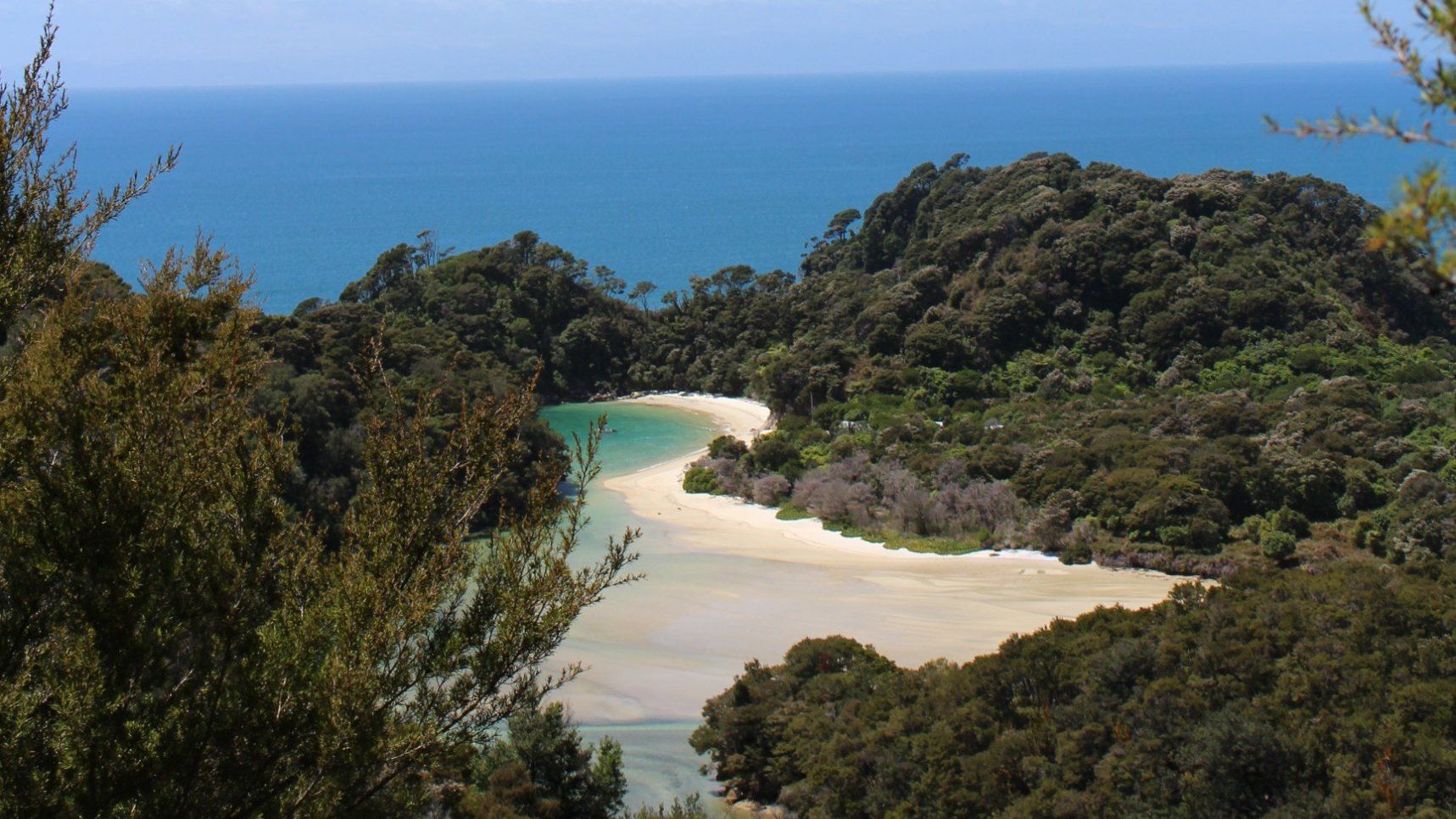
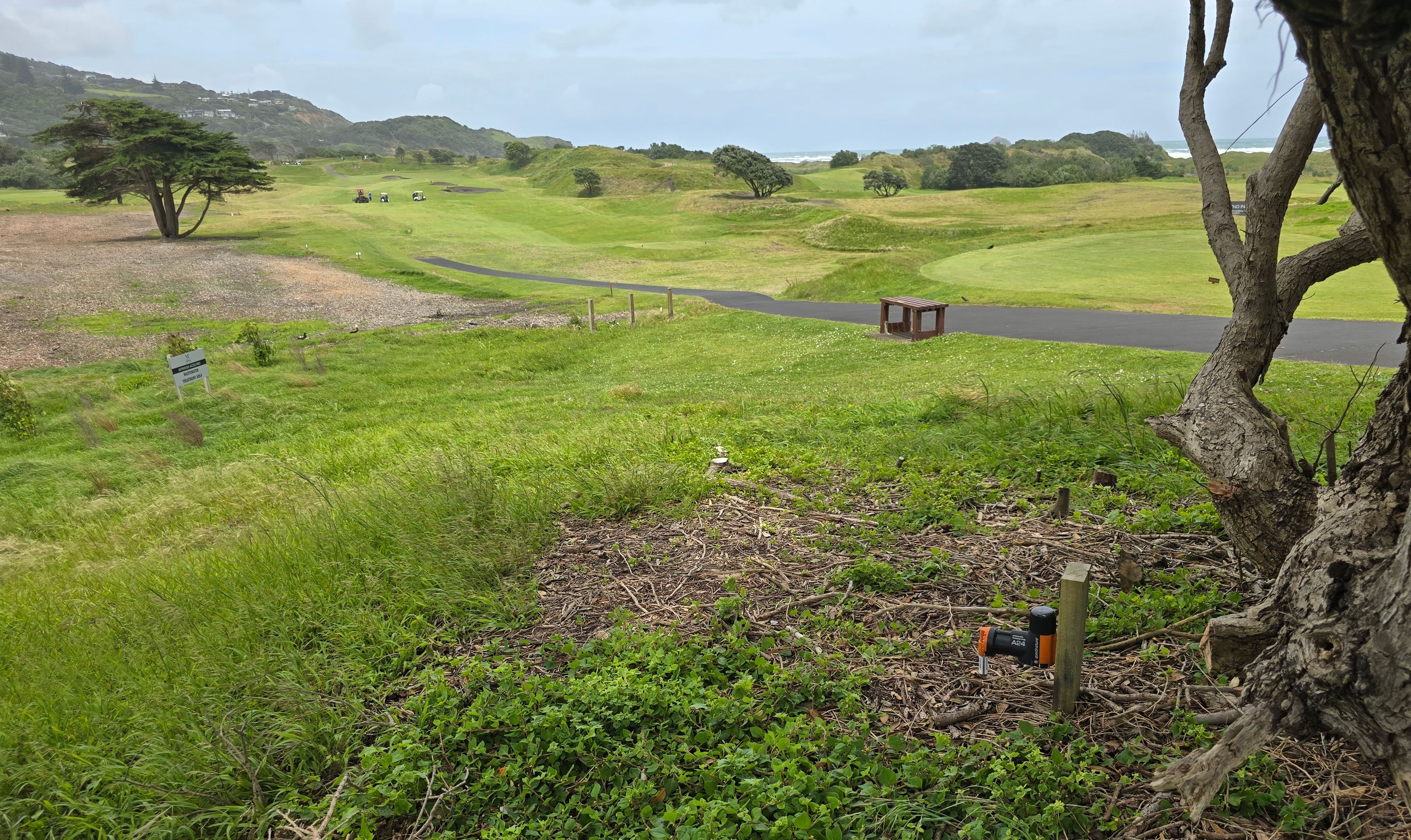
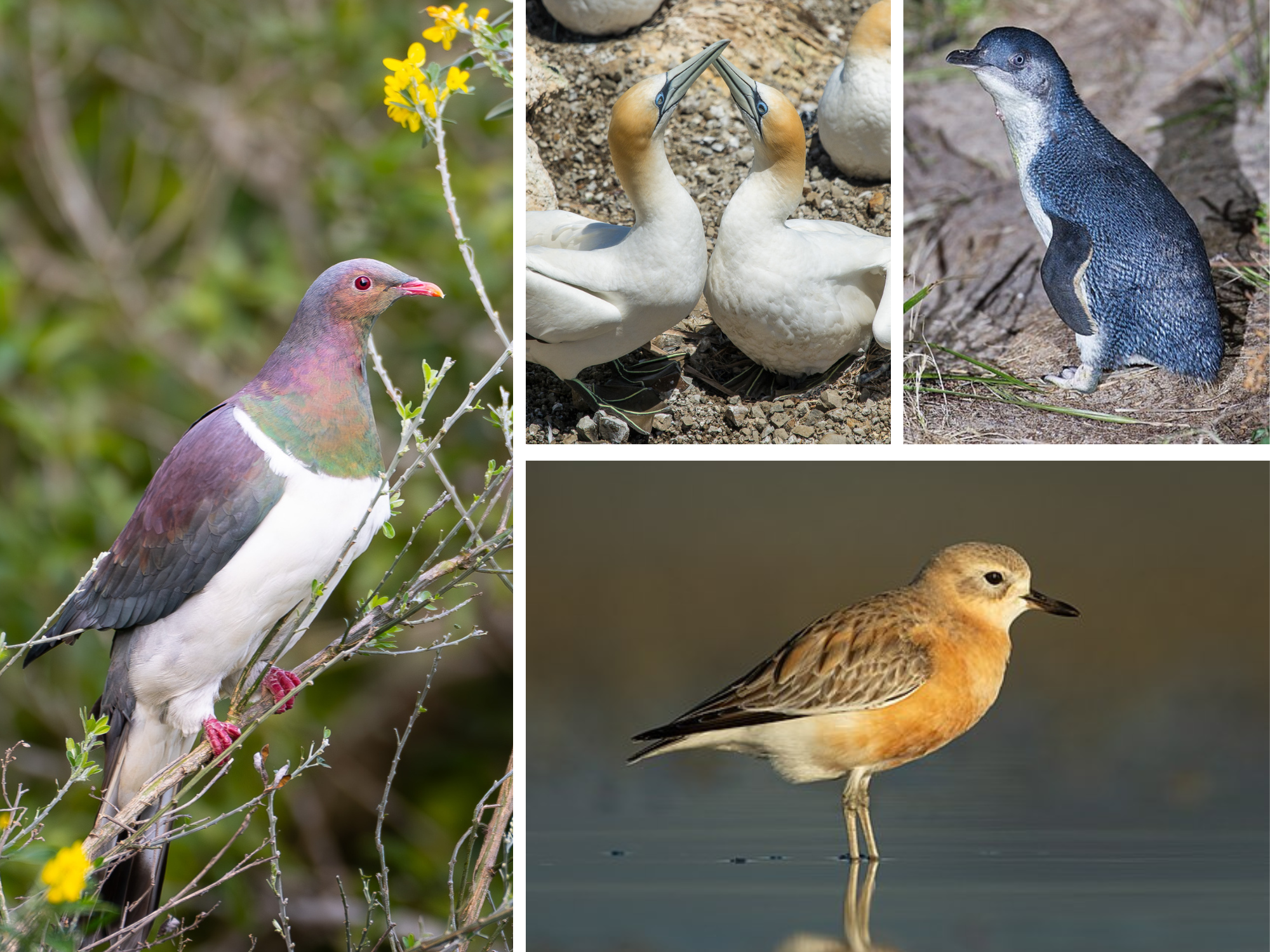
Muriwai isn’t just home to 18 stunning holes and epic ocean views, it’s also situated just 2km from the Muriwai Gannet colony, one of only three places in New Zealand where gannets nest on the mainland. It’s an area shaped by the natural undulation of coastal sand dunes, home to many ground-nesting birds and seashore species like the tūturiwhatu (New Zealand dotterel), torea-pango (oystercatcher), and the unique Muriwai gecko.
Alf and Lyn Nabarro first started managing pest control at Muriwai in 2018, overseeing the community green area (which includes the golf course) with 25 traditional bait stations. In 2021, they switched to trapping, using a mix of different tools including Goodnature’s toxin-free smart traps, after learning more about the flow-on impacts of poison on the environment and other animals.
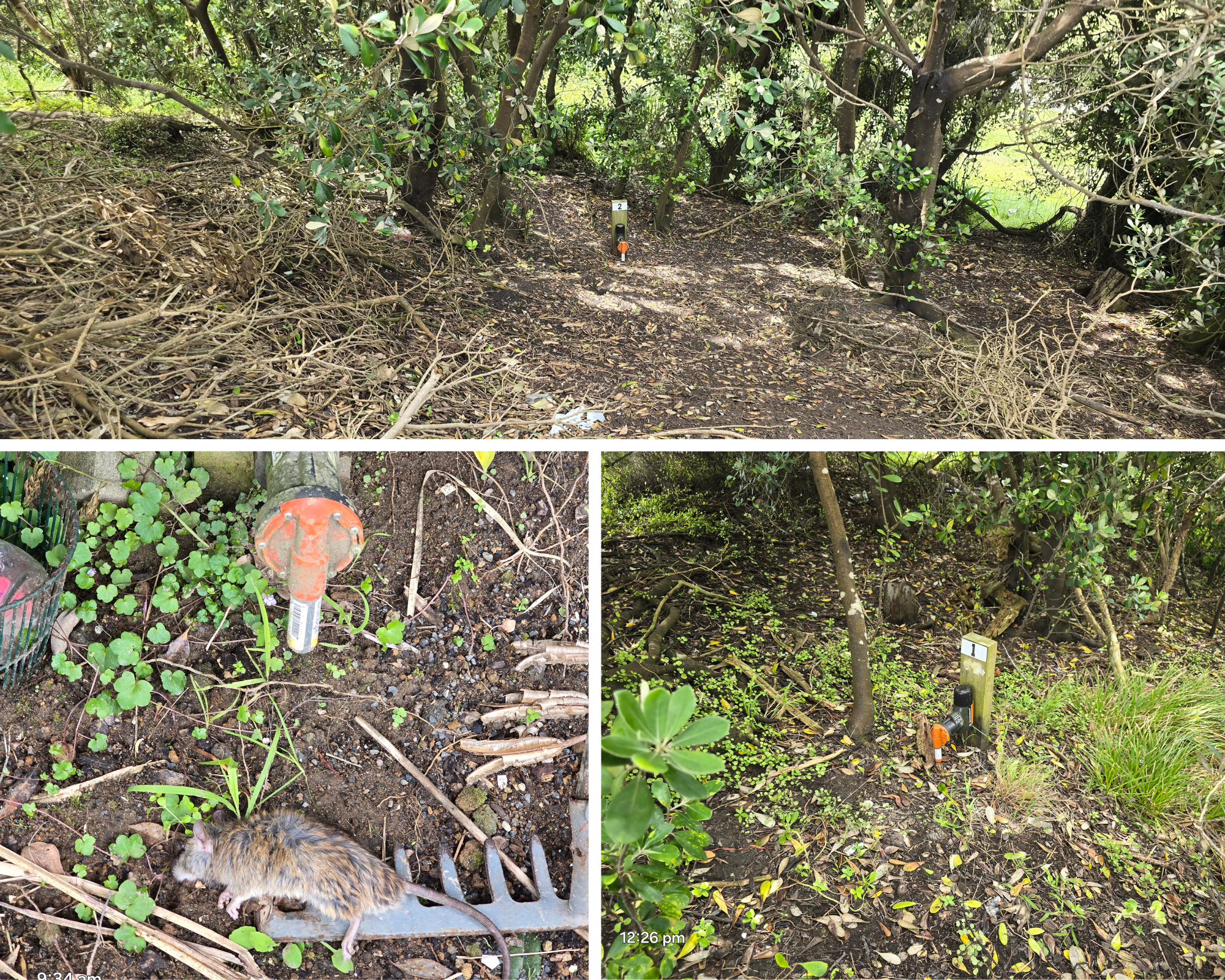
“It’s always been our goal to protect birdlife, given the colony is home to up to 1,200 nesting pairs. Rats, stoats, weasels, and possums pose a significant threat to these sensitive habitats. We set up a network of 60 smart traps around the course, which has transformed our work and results,” explains Alf.
Grassroots, community, and a shared vision with Predator Free 2050
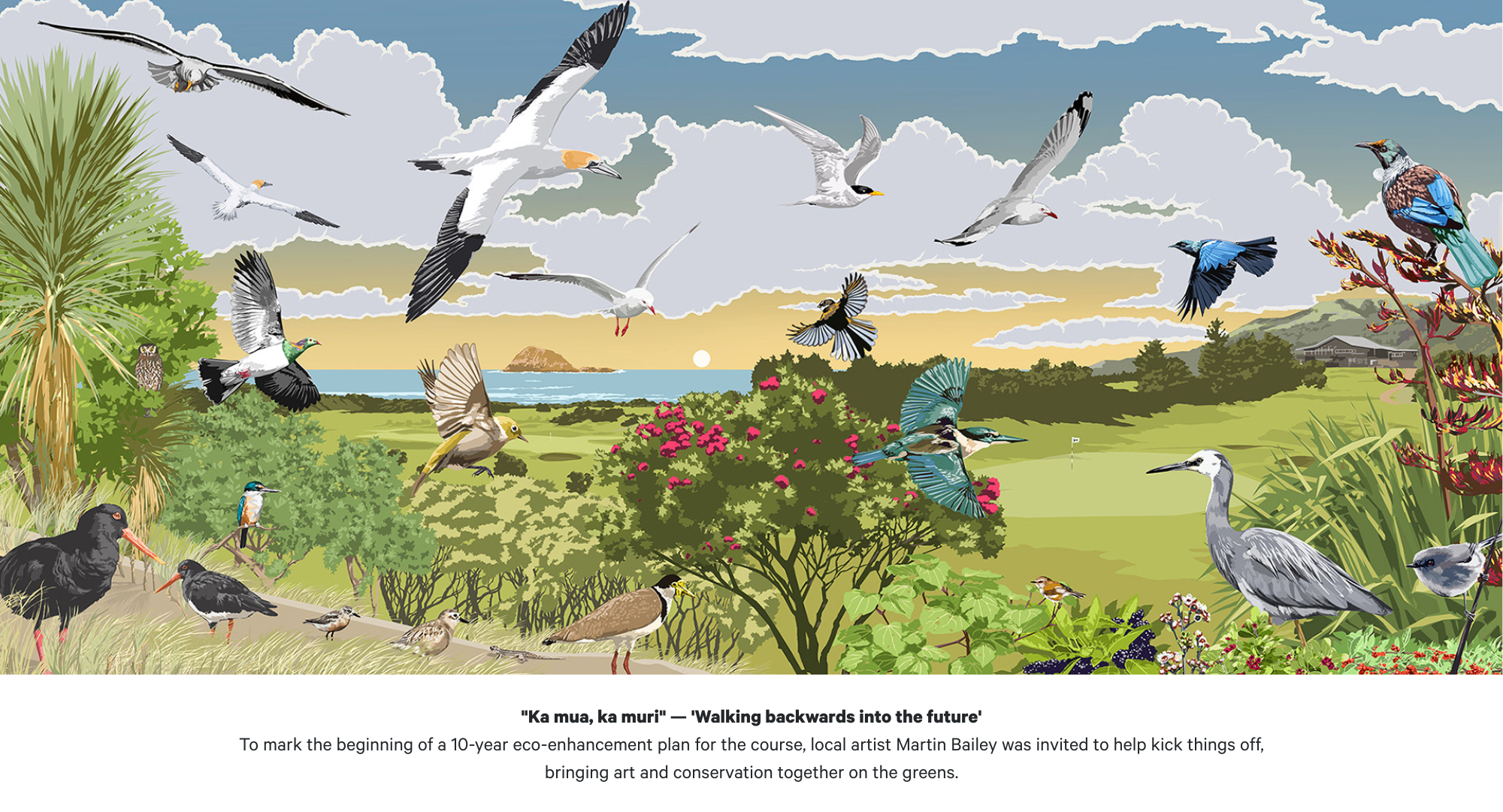
Thanks to the combined efforts of keen club members and volunteers, Muriwai has become a model for how golf courses can contribute to Predator Free 2050. This nationwide initiative is a coordinated goal to eradicate mustelids (stoats, ferrets, and weasels), rats, and possums from mainland New Zealand by 2050, as they cause untold damage to our natural environment and the native species that live in it. For Muriwai Golf Links, it means seeing more birds than balls one day, with species like tūī, kererū, oystercatchers, little blue penguins, and even dotterels thriving again.
Golf as a force for good
The golfing community, which includes some 500,000 regular players in New Zealand alone, is one committed to the cause. Benefits for golf courses are plentiful: increased native wildlife enhances the experience of golfers in natural surroundings bursting with birdsong. Predator control leads to cost savings by increasing no-mow areas between holes, allowing nature to maintain parts of the course. Eco-friendly golf courses with sustainability certifications and environmental plans are becoming more desirable, leading to increased business and community support.
Muriwai recognised this early on and has become one of New Zealand’s largest predator control projects on golf land, playing a serious role in restoring this unique place and protecting its wildlife.
Traps Among the Fairways
Unlike traditional trapping setups that require constant checking and resetting, Muriwai uses automated traps that require minimal maintenance. They're discreetly placed in out-of-play areas but still cover the full 67 hectares of the course.
According to Alf, traps are checked monthly and data is uploaded to Trap.nz so the club can monitor trends and results. “Rats, mice, possums, and stoats can quickly take hold in these environments, but monitoring kills in real-time means communities like those in Muriwai can control populations rapidly. Being able to manage pest numbers without toxins reduces the threat to the wider ecosystem surrounding the course,” he says.
Alf says their ultimate reward has been the return of birdlife to the area.
“Birdlife is thriving—we couldn’t believe it when we discovered a little spotted penguin nesting on the course boundary. It’s such a great feeling to know we helped make that possible,” he says.
Getting Players On Board
Pest Free Coatesville is a reminder that conservation isn’t just for scientists or DOC teams, it’s for anyone with a backyard, a trap, or a few hours to spare.